
Renault 0.9 TCe (H4Bt) Engine Review: The Hidden Hero That Breaks Prejudices

Renault 0.9 TCe (H4Bt) Engine Review: The Hidden Hero That Breaks Prejudices
When the "downsizing" trend gained momentum in the automotive world, seeing the number "0.9" under the hood created a psychological barrier for many of us, especially in a market like Turkey that had been accustomed to 1.6-liter naturally aspirated engines for years. We frequently heard comments in forums and auto repair shops like, "This engine can't pull this chassis," "It will definitely stall on hills," or "Small turbocharged engines die quickly."
However, when you get behind the wheel, rack up the miles, and long-term usage data emerges, the picture turns out to be completely different. Hundreds of thousands of kilometers of user feedback and on-road dynamics show that the 0.9 TCe unit (known as the HR series on the Nissan side), developed in partnership with Renault and Nissan (The Alliance), is one of the most robust and surprisingly "trouble-free" small-displacement engines in automotive history.
So, how does an engine approached with such prejudice from the outside easily reach 200,000 - 300,000 kilometers? Let's take a transparent look at the details, engineering choices, and, of course, the chronic shortcomings of this engine.
Click here to read our article about the Clio 1.0 TCe.
0.9 TCe (H4Bt) Technical Identity and Architecture
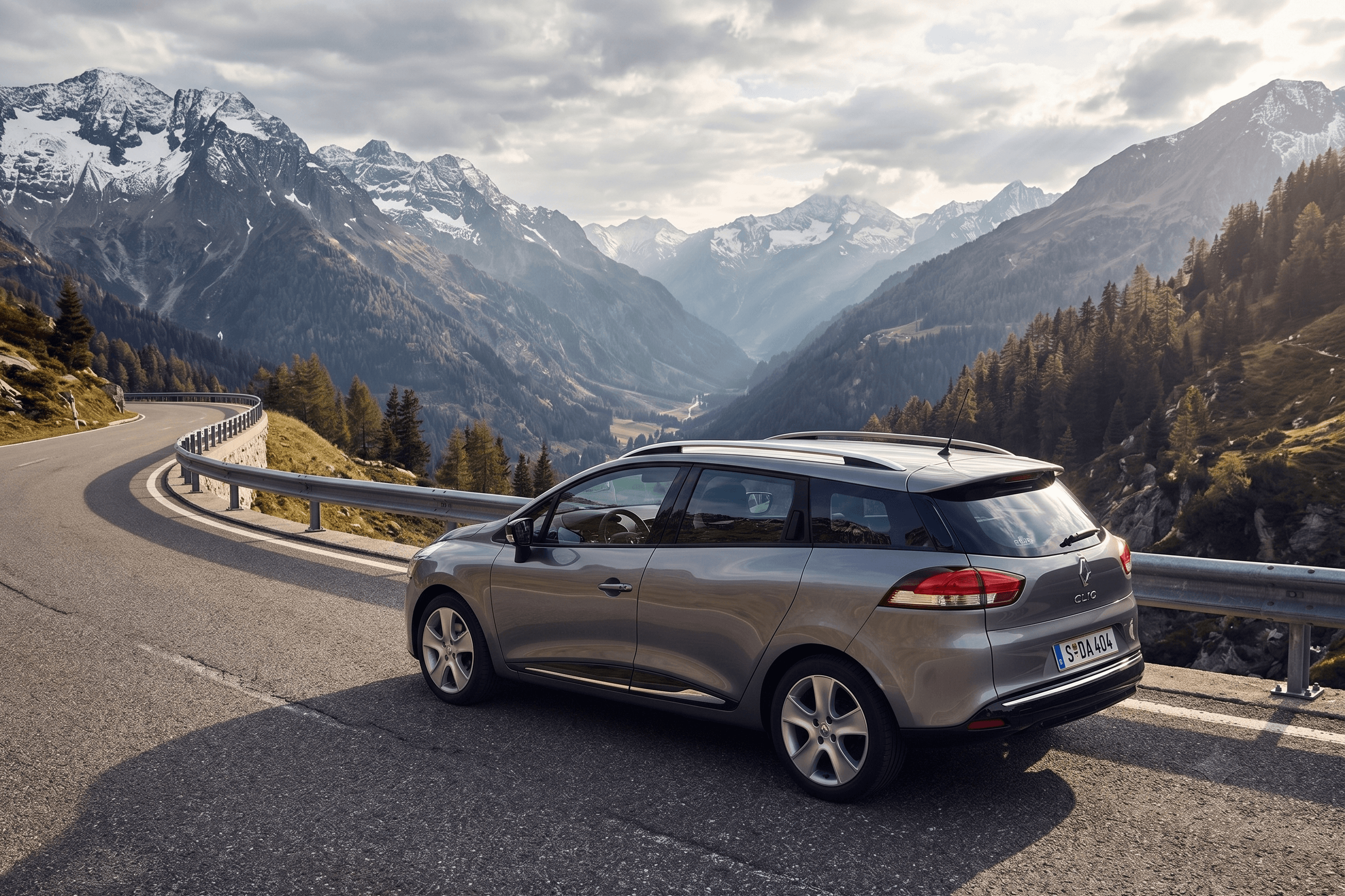
Renault 0.9 TCe H4Bt Clio
First hitting the roads in 2012 with the fourth-generation Renault Clio (Clio 4), this engine has successfully carried the load of models like the Dacia Sandero, Logan, Stepway, and even the jointly produced Smart Forfour/Fortwo over the years. To ensure the engine's lightness, both the cylinder block and the cylinder head are made of a light aluminum alloy. (H4Bt)
Why is it So Long-Lasting and Efficient?
When designing this engine, Renault engineers optimized the most modern technologies of the time for a "cost-oriented" segment. Clear engineering choices lie behind this engine's ability to cover hundreds of thousands of kilometers with only oil and filter changes:
- Traditional Multi-Point Indirect Injection (MPI) System: Contrary to some misinformation on the internet, the 0.9 TCe is not direct-injected. Since the fuel enters the cylinder by washing over the valves, the valves remain constantly clean. There is no carbon build-up problem over time, unlike in direct-injected (GDI) engines. This ensures the engine maintains its day-one condition even at high mileages.
- Perfect LPG Compatibility: Thanks to the MPI injection system, it works 100% harmoniously with standard and affordable sequential LPG kits on the market. It does not require expensive liquid systems. It is a truly "budget and LPG-friendly" turbo engine.
- Integrated and Durable Turbo Architecture: Maximum torque is delivered at low revs thanks to the Variable Valve Timing (VVT) on the intake camshaft and a low-inertia turbo (with 2.05 bar pressure) integrated directly into the exhaust manifold. Because the turbo is not subjected to excessive pressure, it doesn't wear out easily.
- Variable Displacement Oil Pump: By adjusting the oil pressure according to the engine's current needs, it saves fuel and minimizes internal engine friction.
Disadvantages and Chronic Problems of the 0.9 TCe Engine
Discussing the cons is a must for an objective review. Although it has a solid architecture, the 0.9 TCe has some characteristic vulnerabilities depending on driving style and maintenance habits:
1. Low-End Sluggishness (Turbo Lag)
The moment you first press the gas pedal, you clearly feel the lack of displacement of that 898 cc until the turbo pressure builds up (around the 2000 RPM band). The car acts a bit sluggish, especially when taking off on steep hills, or causes a delay during sudden acceleration requests. Figuring out the engine's behavior takes a little time.
2. Timing Chain Issues (Rattling Noise)
On paper, Renault introduced this engine with a "lifetime timing chain." There is no risk of a rubber belt snapping. However, especially in vehicles where maintenance has been neglected or poor-quality oil has been used, stretching in this chain and slack in the tensioners occur over time. A distinct "rattling" chain noise coming from the engine, especially during cold starts in the morning, is a common complaint. Checking the chain kit around 100,000 km, and replacing it if necessary, is a must.
3. Vibration, Acoustics, and Spark Plug/Coil Life
Due to its 3-cylinder asymmetrical structure, it runs roughly at idle. A ticking sound that gives a diesel feel can reflect into the cabin. This natural vibration of the engine and the high temperatures under the hood consume the life of the ignition coils and spark plugs faster than standard engines. (The replacement interval is usually between 30,000 - 40,000 km).
4. Tendency to Consume Oil
A certain amount of oil consumption is observed, especially in 0.9 TCes that have passed 30,000 km, are driven aggressively, and are constantly kept at high revs. Since it is a small-displacement, turbocharged engine, this situation can be tolerated to an extent, but checking the dipstick periodically is of vital importance.
5. Thermostat and Cooling System Failures
Hairline cracks that form over time in the plastic thermostat housing can lead to water leaks or premature failure of the thermostat (engine warming up late/temperature fluctuations). Fortunately, detecting and repairing it is a very cheap process.
Maintenance Recommendations Table
Whether this engine will be "long-lasting" or a "money pit" is entirely determined by how you take care of it. When buying second-hand, special attention should be paid to engine noise (chain), oil level, and turbo responses.
Conclusion: Should You Buy the 0.9 TCe Engine?
Absolutely. The 0.9 TCe (H4Bt) is a reliable workhorse that is solidly built beyond what you would expect from its displacement, offering low fuel consumption and tax advantages. People's prejudice stems not from the technological robustness lying under the hood, but merely from the psychological illusion created by the number "0.9". As long as chain maintenance is minded and quality oil is used, a 0.9 TCe is a budget-friendly companion that will never let you down.
Comments (0)
🌍 Drivisual.tv is visited from over 60 countries. No matter what language you write in, your thoughts can help a fellow car enthusiast on the other side of the world thanks to our instant AI translation. Feel free to share your thoughts in your native language!
No comments yet. Be the first to share your thoughts!
Leave a Reply