
Stellantis Introduces the Next-Generation Turbo 100 Engine for Peugeot 208 & 2008: Efficiency & Durability

Peugeot has unveiled its new-generation Turbo 100 petrol engine for the European versions of the 208 and its SUV sibling, the 2008. At first glance, this may appear to be the introduction of a new entry-level powertrain. However, a closer look at the technical details reveals that it represents a significant step in Stellantis' strategy for small-displacement turbocharged petrol engines.
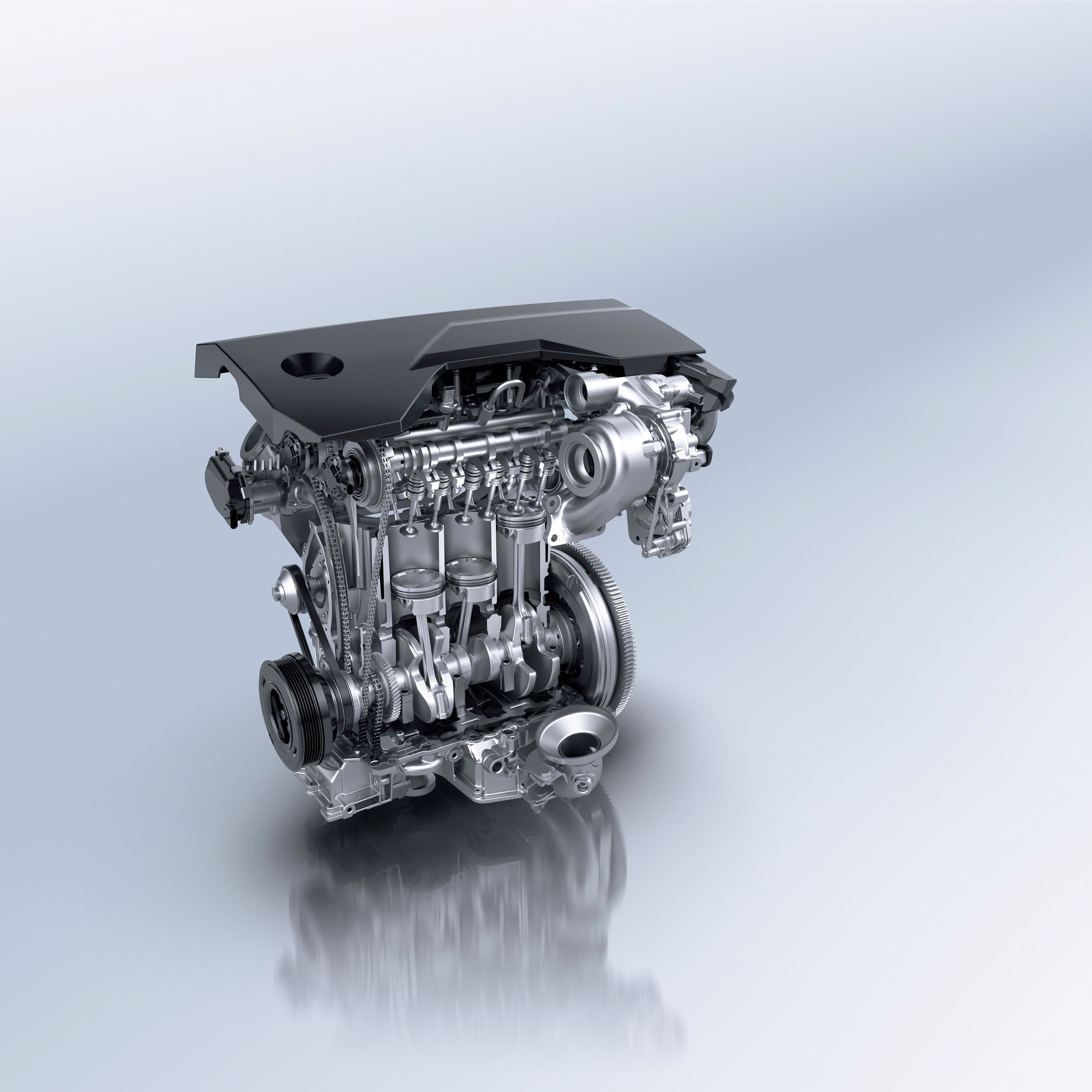
The new Turbo 100 engine features comprehensive engineering upgrades, including an updated timing system, a next-generation high-pressure fuel injection system, a variable-geometry turbocharger, and Miller cycle combustion technology. According to the manufacturer, approximately 70% of the engine's components, by value, have been redesigned.
Although electrification continues to accelerate across the European automotive market, internal combustion engines remain highly relevant for a large portion of customers. With the Turbo 100, Peugeot aims to provide a more efficient, more durable, and more refined petrol alternative during this transition period.
What Is Behind the Introduction of the Turbo 100 Engine?
The European automotive industry is undergoing one of its most significant transformations in decades. While increasingly stringent emissions regulations are pushing manufacturers toward electrification, there remains strong demand for affordable vehicles powered by efficient internal combustion engines.
Rather than abandoning small-displacement petrol engines altogether, Stellantis has chosen to modernize them with new technologies while simultaneously expanding its electric vehicle portfolio.
The Turbo 100 is a clear example of this strategy.
According to Peugeot, the new engine has been developed not only to improve fuel efficiency but also to enhance driving characteristics, reduce maintenance requirements, and increase long-term durability.
Technical Specifications of the Turbo 100 Engine
A New-Generation 1.2-Litre Turbocharged Petrol Engine
The Turbo 100 is a 1,199 cc three-cylinder turbocharged petrol engine.
Official technical specifications include:
- 101 hp (74 kW) maximum power
- 205 Nm of maximum torque
- Peak torque available from just 1,750 rpm
- Six-speed manual transmission
Although the headline power output is similar to its predecessor, the most significant improvements lie beneath the surface through extensive engineering revisions.
Variable-Geometry Turbocharger Takes Center Stage
One of the most notable technical upgrades is the introduction of a Variable Geometry Turbocharger (VGT).
This technology has long been common in diesel engines but has been considerably more challenging to implement in petrol engines because of their significantly higher exhaust gas temperatures.
According to Peugeot, the new turbocharger improves engine response at low engine speeds, providing stronger acceleration and more immediate throttle response.
In everyday driving, this translates into smoother city driving, quicker acceleration from low speeds, and greater confidence during overtaking maneuvers.
Comprehensive Improvements for Higher Efficiency
The Turbo 100 is not solely focused on performance.
Its primary objective is improved efficiency.
To achieve this, several advanced technologies have been integrated into the new engine.
350-Bar High-Pressure Direct Injection
The next-generation direct injection system now operates at a pressure of 350 bar.
The increased injection pressure enables:
- finer fuel atomization,
- more efficient combustion,
- lower particulate emissions,
- and improved emissions control.
Miller Cycle Combustion
Another major engineering enhancement is the adoption of the Miller combustion cycle.
This operating principle allows the engine to combine a higher compression ratio with improved combustion efficiency.
The expected benefits include:
- lower fuel consumption,
- reduced CO₂ emissions,
- higher thermal efficiency.
Reduced Internal Friction
The engine also features an updated valve timing system together with redesigned pistons, both aimed at reducing internal mechanical friction.
While these improvements may not dramatically change outright performance, they contribute significantly to long-term fuel economy and overall engine efficiency.
The Biggest Improvement Focuses on Durability
From a technical standpoint, the most important development in the Turbo 100 concerns its timing system.
Timing Chain Replaces the Belt
Peugeot has officially confirmed that the new engine replaces the previous oil-bathed timing belt with a timing chain.
The chain system has been engineered for greater durability and is expected to contribute to improved long-term robustness.
In addition, the following components have also been redesigned:
- Engine block
- Pistons
- Piston rings
According to Peugeot, these new components also help improve oil consumption control and overall engine durability.
It is important to emphasize that these engineering updates should not be interpreted as proof that every characteristic of previous engine generations has either been repeated or completely eliminated. At this stage, evaluations should remain based on the manufacturer's officially confirmed technical changes, while long-term reliability will ultimately be assessed through real-world ownership experience.
Longer Service Intervals
The Turbo 100 also introduces a revised maintenance schedule.
Previously, scheduled servicing was required every:
- 1 year
- or 20,000 km
With the new engine, Peugeot has extended the interval to:
- 2 years
- or 25,000 km
Annual inspection checks will continue as part of the maintenance program.
Longer service intervals could help reduce overall ownership costs, particularly for drivers covering higher annual mileage. However, actual maintenance expenses will continue to vary depending on local service pricing, market conditions, and regional maintenance policies.
What Can Drivers Expect from the Turbo 100 in Everyday Use?
Looking at the official specifications, it is clear that Peugeot has prioritized everyday usability rather than outright performance. Producing 101 hp and 205 Nm of torque, the Turbo 100 is positioned to meet the needs of customers in the B-segment hatchback and compact SUV categories.
Perhaps the most significant figure is the availability of maximum torque from just 1,750 rpm. Delivering strong pulling power at low engine speeds should make the engine feel more responsive in urban traffic while reducing the need to operate at higher revs. This characteristic can also contribute positively to fuel efficiency during daily driving.
Urban Driving
According to Peugeot, the new variable-geometry turbocharger improves throttle response at lower engine speeds.
In practical terms, this is expected to provide:
- Smoother acceleration from traffic lights
- More confident mid-range acceleration
- Less frequent gear changes in congested traffic
- A more refined driving experience during everyday commuting
For a city-focused vehicle such as the Peugeot 208, these characteristics enhance not only performance but also overall driving comfort.
Highway Performance
The engine's 205 Nm of torque should also provide advantages during motorway driving. Being able to maintain cruising speeds at lower engine speeds can potentially reduce cabin noise while contributing to improved fuel economy.
That said, the Turbo 100 has clearly been designed with efficiency and usability as its primary objectives rather than outright performance. Customers seeking stronger acceleration or higher output will continue to have alternatives within Peugeot's lineup, including the Hybrid 145 and the fully electric E-208.
Expectations for NVH (Noise, Vibration and Harshness)
Three-cylinder engines naturally tend to generate more vibration than comparable four-cylinder units. As a result, reducing NVH levels has become one of the key engineering priorities for modern small-displacement engines.
Although Peugeot has not published specific NVH figures for the Turbo 100, the redesigned engine block, updated internal components, and optimized combustion process are all intended to deliver a more refined operating character.
Its real-world refinement, including cabin noise and vibration levels, will become clearer once independent road tests are conducted.
Preparing for the Euro 7 Era
European emissions regulations continue to become increasingly demanding. The upcoming Euro 7 standards will not only focus on laboratory emissions but also place greater emphasis on real-world environmental performance.
Several technologies incorporated into the Turbo 100 support this direction, including:
- 350-bar high-pressure direct injection
- Miller cycle combustion
- An updated valve timing system
- A new variable-geometry turbocharger
While Peugeot has not explicitly stated that the engine is fully compliant with Euro 7, these engineering improvements clearly demonstrate that the powertrain has been developed with future emissions requirements in mind.
Stellantis' New Petrol Engine Strategy
At a time when some manufacturers are preparing to phase out small petrol engines entirely, Stellantis has adopted a different approach.
Alongside substantial investments in electrification, the group continues to develop internal combustion engines, making them cleaner, more efficient, and more durable instead of abandoning them altogether.
The Turbo 100 represents an important part of this strategy.
By offering fully electric, mild hybrid, and conventional petrol powertrains on the same vehicle platforms, Stellantis aims to meet the needs of a broader range of customers with different driving habits and market requirements.
Its Role in Peugeot's Electrification Strategy
Today, Peugeot offers many of its models with three distinct powertrain options:
- Fully electric
- Mild hybrid
- Petrol internal combustion
The Turbo 100 is positioned primarily as the entry-level choice for customers who are not yet ready to transition to an electric vehicle or whose annual mileage does not necessarily justify electrification.
It also remains an attractive option for fleet operators and buyers seeking lower purchase costs.
Rather than competing with Peugeot's electric vehicles, the Turbo 100 complements the brand's multi-energy strategy by broadening customer choice.
Where Does It Stand Against Its Rivals?
Competition among small turbocharged petrol engines remains intense across Europe.
The Turbo 100 competes directly with engines such as Volkswagen's TSI, Renault's TCe, and Ford's EcoBoost.
Although each manufacturer follows its own engineering philosophy, the primary objectives remain similar:
- Low fuel consumption
- Competitive performance
- Reduced emissions
- Long-term durability
Peugeot's strongest selling points appear to be the adoption of the timing chain, the new variable-geometry turbocharger, and the extensively revised engine architecture.
However, its true competitive position will only become clearer after independent comparison tests, long-term reliability data, and customer ownership experiences become available.
Potential Impact on Residual Value
New-generation engines are often approached cautiously by the used-car market during their first years of production, as buyers generally prefer to wait until sufficient long-term reliability data becomes available.
While the engineering improvements and extended maintenance intervals of the Turbo 100 are promising, it is still too early to predict how they will influence future resale values.
For now, any assumptions regarding used-car performance would remain speculative.
Why Does the Turbo 100 Engine Matter?
The Turbo 100 represents more than simply another engine option. It reflects Stellantis' broader vision for the future of internal combustion engine technology.
With approximately 70% of its components redesigned by value, together with a new timing chain, a variable-geometry turbocharger, an advanced fuel injection system, and Miller cycle combustion, the engine demonstrates a comprehensive engineering evolution rather than a minor update.
Despite the rapid pace of electrification, internal combustion engines will continue to power millions of vehicles across Europe for years to come. Particularly in entry-level segments, affordability, ease of ownership, and infrastructure considerations ensure that efficient petrol engines remain highly relevant.
Within Peugeot's product strategy, the Turbo 100 serves as a key complement to the brand's fully electric and hybrid models, providing customers with greater flexibility in choosing the powertrain that best suits their needs.
Expert Opinion
From an engineering perspective, the Turbo 100's greatest strength is not its power output but the depth of its technical revisions. The transition to a timing chain, the adoption of a variable-geometry turbocharger, the 350-bar direct injection system, and the implementation of the Miller cycle indicate that Stellantis has focused on improving efficiency, durability, and long-term usability rather than simply increasing performance.
Nevertheless, the engine's long-term success will ultimately depend on independent testing and real-world ownership experience. While the official technical specifications present a promising picture, long-term reliability can only be fully assessed after years of customer use.
Conclusion
Peugeot's new Turbo 100 engine represents far more than the introduction of another petrol option for the 208 and 2008. With approximately 70% of its components redesigned, a timing chain replacing the previous system, a variable-geometry turbocharger, 350-bar direct injection, and Miller cycle technology, the engine reflects a significant engineering evolution focused on efficiency, durability, and regulatory readiness.
At a time when electrification continues to reshape the automotive industry, the Turbo 100 serves as a reminder that modern internal combustion engines still have an important role to play. Its combination of competitive ownership costs, improved efficiency, and everyday usability is expected to strengthen Peugeot's position in the highly competitive compact vehicle segment.
The Turbo 100 already stands out as one of the key pillars of Stellantis' next-generation petrol engine strategy in Europe.
SOURCES
- Stellantis Media – Peugeot Turbo 100 Press Release Stellantis Media – Peugeot Turbo 100 Press Release
- Peugeot Official Website
- Stellantis Corporate Information
- European Automotive News Context (General Industry Reference)
Comments (0)
🌍 Drivisual.tv is visited from over 60 countries. No matter what language you write in, your thoughts can help a fellow car enthusiast on the other side of the world thanks to our instant AI translation. Feel free to share your thoughts in your native language!
No comments yet. Be the first to share your thoughts!
Leave a Reply