
Renault 1.0 TCe (H4Dt) Engine Chronic Problems: A Detailed Look

We will be discussing the chronic problems of the 1.0 TCe (H4Dt) engine, developed in partnership with Renault, Nissan, and Mitsubishi (The Alliance), which is one of the most popular examples of the engine "downsizing" trend. This engine was specifically designed for B-segment and entry-level C-segment vehicles to provide both fuel economy and a satisfactory pulling power for city driving, thanks to its turbo support.
[Click here for my detailed Renault Clio 1.0 TCe article]
To date, I have personally owned two different Renault Clios; the first was a 2023 model Touch trim, and the second is the 2024 model Evolution trim that I am currently driving. However, if I also factor in office vehicles, rentals, and the cars of close friends, I have driven more than 50 different Clio 5 and 5.5 models so far. I prepared this article based on both my own personal experiences and the insights I gained from this extensive pool of usage. I researched whether some of the situations I encountered were chronic and added the findings to this list.
From the outside, the list might look extensive or make the engine seem very problematic. But let me state this right from the start: except for the electrical failure, none of the issues here are the kind of problems that will leave you stranded on the side of the road or cause you major headaches. Therefore, this is not a post about "dissatisfaction," but rather a completely transparent sharing of information. If you ask my personal opinion, I am quite satisfied with my car, and it is a model I would unhesitatingly buy again in the future. Without further ado, let's get into the details.
Which Vehicles Use the 1.0 TCe (H4Dt) Engine?
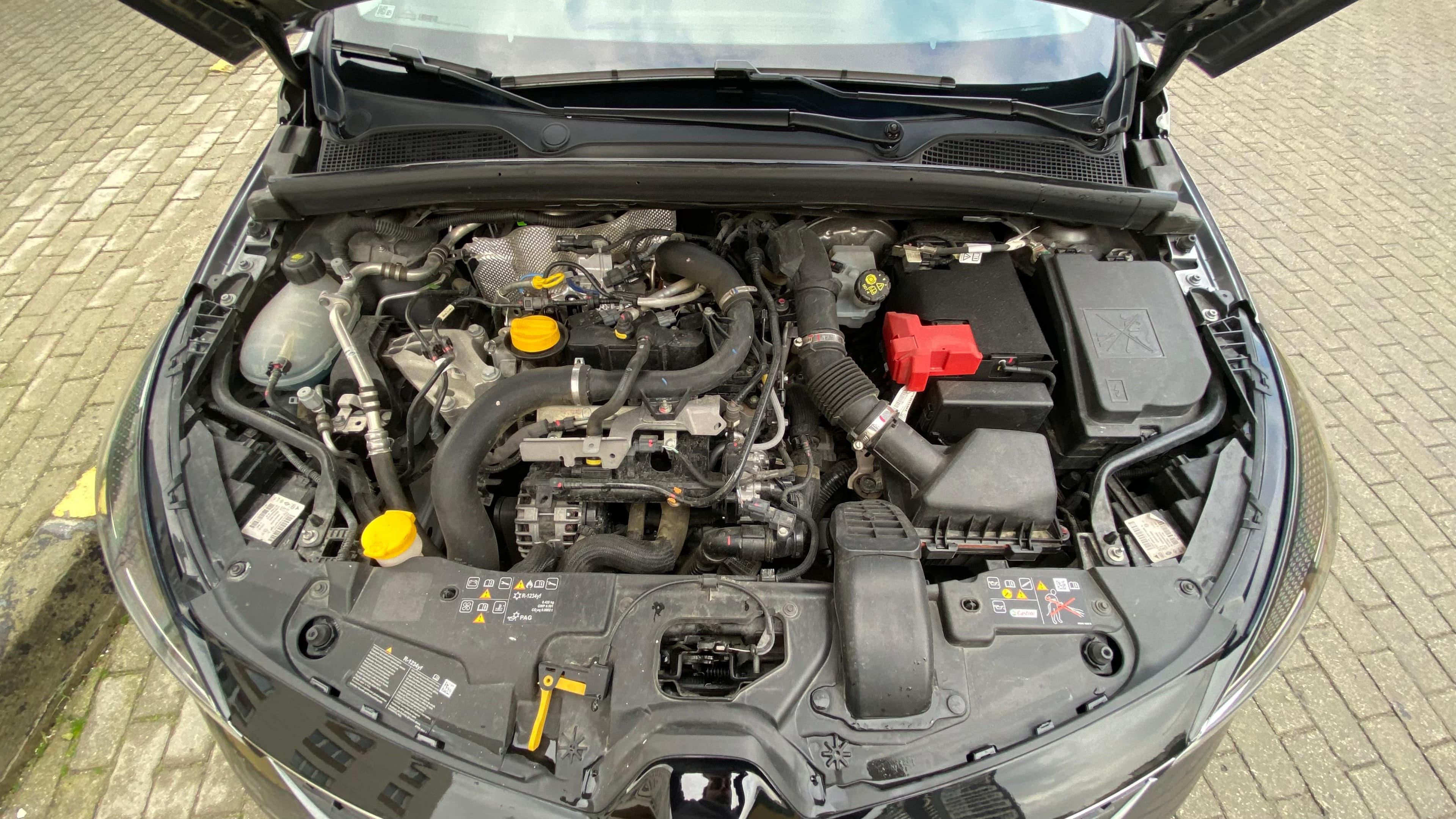
Renault Clio 1.0 TCe H4Dt
This 3-cylinder, 999 cc turbocharged gasoline unit serves in many popular models of the Alliance:
- Renault: Clio V, Taliant, Captur
- Dacia: Sandero, Jogger, Duster, Logan (Note: The Sandero Stepway model is equipped with a 1.2L engine rather than the 1.0 TCe.)
Although it is a durable and efficient engine in terms of its general architecture, like every new-generation engine, the 1.0 TCe has some characteristic and chronic issues that users frequently encounter. Here are the most common chronic problems of the 1.0 TCe engine:
Chronic Problems of the 1.0 TCe Engine
1. Idle and RPM Fluctuation (Rev Instability)
(I also experience this in my own car)
While it is considered normal for 3-cylinder engines to run a bit roughly by nature, the 1.0 TCe shows noticeable fluctuations in the rev counter, especially during cold starts or while waiting at idle. It can feel as though the vehicle is struggling to keep the RPMs steady.
- Cause: This usually stems from the engine control unit (ECU) software or the electronic throttle body calibration.
- Solution: In most cases, software updates performed at authorized service centers can largely eliminate this instability.
2. Battery/Alternator Belt (V-Belt) Snapping and Electrical Failure
(I experienced this in my own car - 2024 Clio)
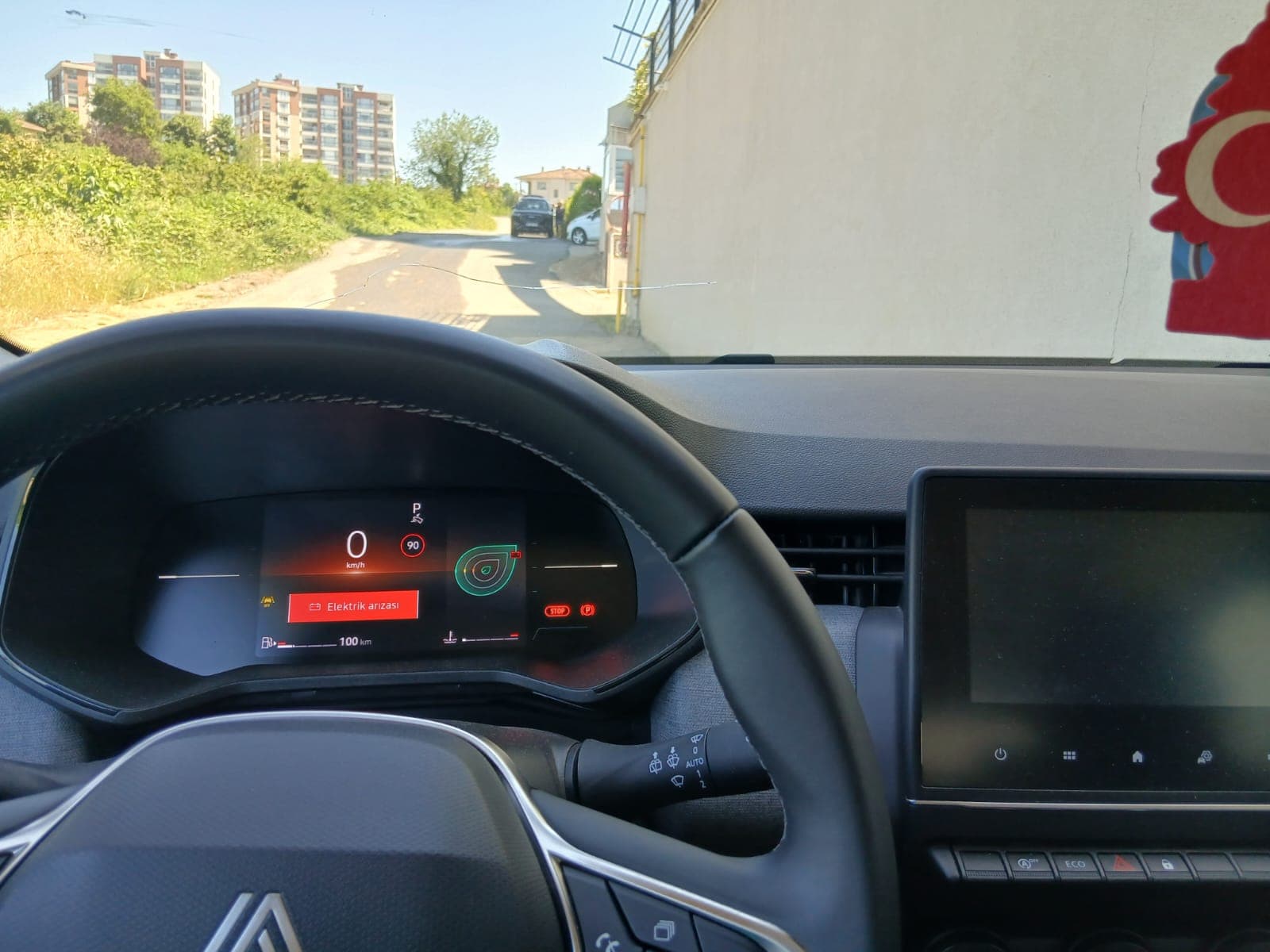
H4Dt 1.0Tce
This is a rather frustrating problem that can suddenly appear, even in brand-new vehicles, but fortunately, the solution is straightforward. If the alternator belt snaps or slips off during driving, the vehicle stops charging the battery.
- Symptoms: A sudden "Electrical Fault" warning and a red "STOP" warning light appearing on the instrument panel. Stiffening in the steering wheel may also be observed.
- Solution: This situation stands out as a vulnerability stemming from production or assembly. If the vehicle is under warranty, authorized services usually tow the vehicle and permanently solve the problem by replacing the belt and tensioner system in a short time, typically within 1-2 days.
3. Engine Mount Problem
Engine mounts are rubber/hydraulic components that connect the engine to the chassis and dampen vibrations. The asymmetrical vibrations produced by the 3-cylinder structure of the 1.0 TCe cause these engine mounts to wear out much earlier than expected.
- Symptoms: Excessive trembling felt in the steering wheel, seats, and center console while the vehicle is idling. A knocking sensation coming from the engine during gear shifts or when taking your foot off the gas pedal.
- Solution: Replacing the problematic engine mount (usually the upper right mount) with a revised, more durable new-type mount stops the vibrations instantly.
4. Turbo Wastegate Noise (Rattling / Buzzing)
(I experienced this in my own car - 2023 Clio) It is a mechanical noise heard very frequently, especially in models that came off the production line before 2023. A metallic buzzing or rattling sound comes from the engine bay when pressing and releasing the gas pedal or within specific RPM ranges (usually between 1500-2000 RPM).
- Cause: It stems from a slight play (gap) in the shaft of the "wastegate" (relief valve) flap that regulates turbo pressure.
- Status: Most of the time, this noise does not lead to a loss of performance or an engine malfunction; it is merely an acoustic annoyance. Following customer complaints, Renault solved this resonance noise in later productions or during warranty repairs by installing a tension spring (clip) here or by updating the part entirely.
5. Water Pump Failures
Early-stage leaks or bearing disintegration problems can be seen in the water pump, which circulates the engine's coolant.
- Symptoms: A decrease in engine coolant (antifreeze), fluid dripping from underneath the vehicle, or a faint whining/humming sound coming from the engine area.
- Importance: Since a loss of coolant directly poses a risk of engine overheating, it is absolutely essential to check for leaks around the water pump during periodic maintenance. A worn-out water pump is directly replaced with a new one.
Comments (0)
🌍 Drivisual.tv is visited from over 60 countries. No matter what language you write in, your thoughts can help a fellow car enthusiast on the other side of the world thanks to our instant AI translation. Feel free to share your thoughts in your native language!
No comments yet. Be the first to share your thoughts!
Leave a Reply