
BMW 1 Series E87 (Fatal Flaws Before Buying!)

1st Generation (E81, E82, E87, E88): Rear-Wheel-Drive BMW and Its Common Problems
The first-generation BMW 1 Series was a rather special generation, as BMW kept its rear-wheel-drive character in the compact class. It was produced with the E81, E82, E87 and E88 chassis codes, covering 3-door and 5-door hatchbacks, the coupé and the convertible.
Although it offers a very good driving experience for its age, these cars are now old enough that certain engine, electrical and body sealing problems should be checked carefully when buying one used.
This is why you should not look only at the chassis code when looking at a first-generation 1 Series. The model year, engine code, production date and the market the car was originally sold in should all be taken into account.
You can check your BMW's model, engine code and equipment by searching Google for BMW VIN Decoder.
E87: 5-Door Hatchback (2004–2011)

Bmw 1 series e87
The E87 is the 5-door hatchback version of the first-generation BMW 1 Series and is probably the most common version you will come across. Production started in 2004 and it received a major facelift (LCI) in 2007.
Engines used:
- Petrol: Early cars used naturally aspirated four-cylinder engines from the N45 and N46 families, in 1.6 and 2.0-litre forms. Some of the later versions moved to the direct-injection N43 engine family. Engine availability varied depending on the model year and market, so checking the actual engine code using the VIN is important when buying one.
- Performance version: The 130i used the 3.0-litre naturally aspirated N52 straight-six. It was one of the most powerful naturally aspirated petrol options available in the first-generation 1 Series.
- Diesel: Early 118d and 120d models used engines from the M47 family, while later cars moved to the N47 family. The N47 was used in different power outputs in models such as the 116d, 118d and 120d. The 123d stood out as a more performance-focused version using a twin-turbocharged N47 derivative.
Common Problems (Water Leaks, PDC Module etc.)
1. Water Leaks and the PDC Module
One of the problems worth checking on an E87, especially considering the age and how the car has been used, is water getting into the boot area.
The rear light seals, sealing points around the boot and the rear ventilation areas can allow water in over time. When water collects underneath the boot floor, it can cause corrosion and electrical problems with the electronic components located there.
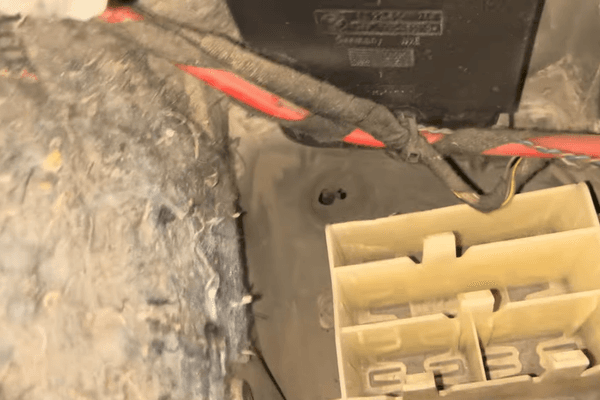
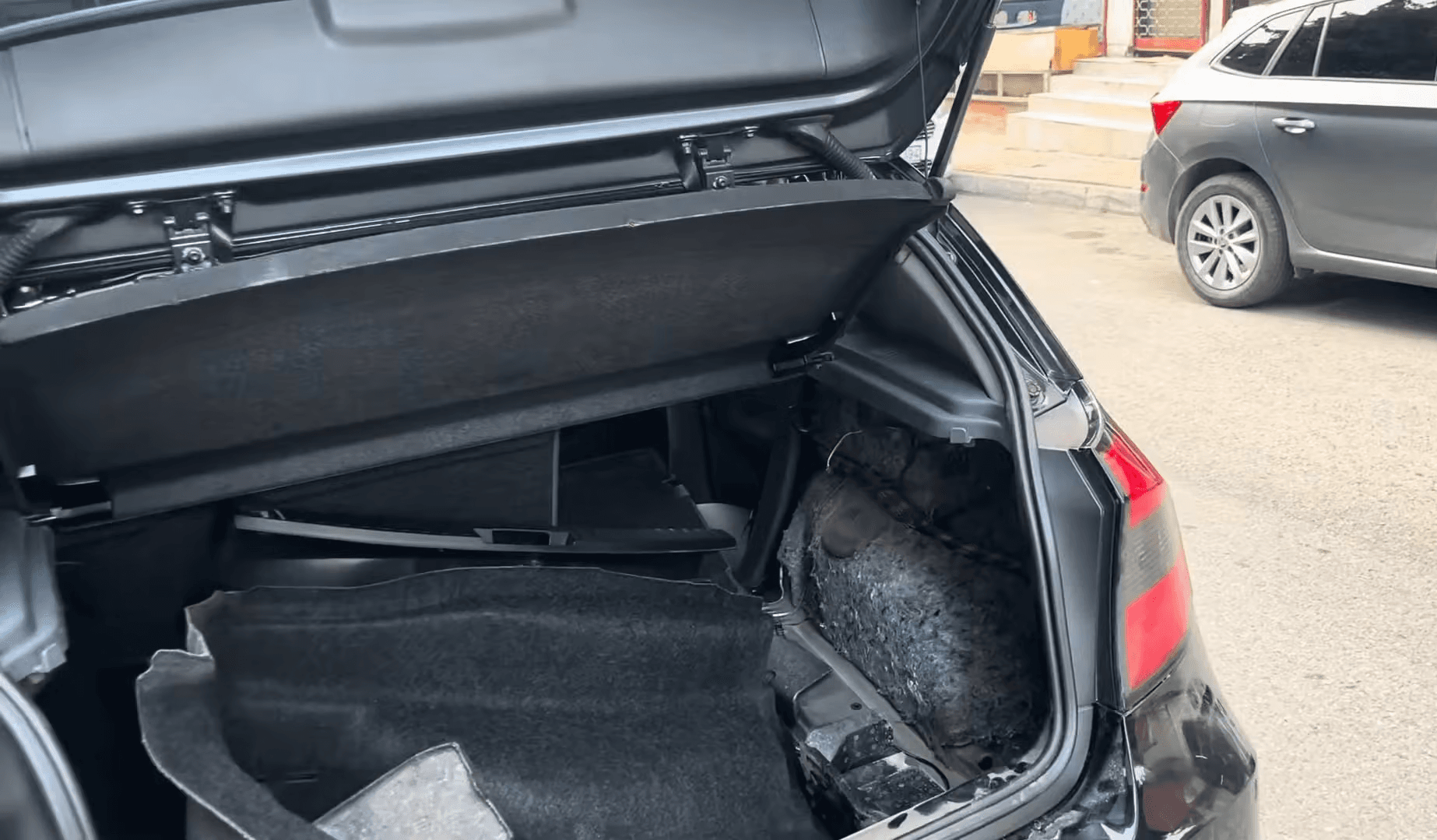
In particular, water damage to the PDC (Park Distance Control) module is one of the problems reported by E87 owners.
The PDC module is located in the right-hand side of the boot area and there are plenty of videos showing how to remove or replace it.
When checking a used E87, it is therefore worth lifting the boot floor and looking for moisture, water marks, oxidation or corrosion.
2. Water Drainage Channels Under the Bonnet
You should also check the water drainage areas on both the right and left sides towards the rear of the bonnet.
Pour a small amount of water into these areas and check that it drains away properly. Leaves, dust, mud and other dirt can build up over time and block the drains. If they become blocked, water can collect in the engine bay and, in some cases, make its way into the interior.
So if the car has not been cleaned properly for a long time, these areas are worth checking and cleaning.
3. Sunroof Drainage Channels
E87s fitted with a sunroof have four water drainage channels. The two front drains are easier to see, while the outlets for the rear drains are not directly visible.
Open the sunroof and pour a small amount of water into the front drainage channels, then check that the water comes out underneath the car properly.
The outlets for the rear sunroof drains are close to the boot area, so it is also worth checking that the water is draining correctly from the rear channels.
The sunroof drainage channels are an especially important area to check on the E87. The channels are quite narrow, so they can become blocked with dust, mud and other dirt over time. Even if you wash the car regularly, fine dust around the sunroof can mix with water and eventually restrict or block the drain.
There are even cases reported by owners where small insects, such as ants, have blocked the channels by building up material inside them.
So, if you have an E87 with a sunroof, checking the drainage channels from time to time is a good idea.
4. Water Drainage Points Around the Sill Area
The drain plugs and water drainage points around the sill area underneath the car should also be checked.
Dirt and mud can build up around these areas over time. If the drainage points become blocked, or the sealing around the plugs deteriorates, water can end up where it should not be.
When the underside of the car is being inspected, make sure these areas are clean and the drainage points are not blocked.
5. Door Insulation and Seals
Another possible source of water getting into an E87 is the sealing/insulation material inside the doors.
When the door card is removed, you can see the insulation material inside the door. Over time, this material can deteriorate, or it may not have been fitted correctly after the door was previously removed.
The door seals can also become hard, deformed or lose their ability to keep water out as the car gets older.
So if you find moisture or signs of water around the doors, check the door insulation and seals as well. If necessary, replacing the old insulation and door seals can help prevent further water leaks.
E87 Water Leak Quick Check List
If you are buying a used E87, or you suspect that your car has a water leak, these are the areas I would check:
- Boot floor and PDC module
- Seals around the rear lights
- Boot and rear ventilation areas
- Left and right water drainage points under the bonnet
- Front and rear sunroof drainage channels
- Drainage points and plugs underneath the sill area
- Door insulation
- Door seals
- Moisture or corrosion underneath the carpets and trim
On a used E87, simply looking at the visible carpet or boot lining is not always enough. If water has been sitting inside the car for a long time, it can cause corrosion on electronic components, wiring connections and metal surfaces underneath the carpet. On a car that looks suspicious, it is worth checking underneath the trim and carpets as much as possible.
6. ELV / Electronic Steering Lock
Problems with the electronic steering lock (ELV) system are another electrical issue that can occur on the E87.
If the system develops a fault, you may see a steering lock warning on the instrument cluster and, in some cases, the car may not start. The fault can be related to the electronic control system or the steering lock mechanism itself.
If you get a steering lock warning, do not simply assume that changing the battery will solve it. The system should be properly diagnosed with suitable diagnostic equipment.
7. N46 Oil Consumption and Valve Stem Seals
On E87s fitted with the N46 engine, increased oil consumption is something worth checking, particularly as mileage and age increase.
The valve stem seals can become hard or start leaking over time, allowing oil into the combustion chamber and potentially causing blue smoke from the exhaust under certain conditions.
Possible symptoms include:
- Increased engine oil consumption
- Blue smoke after leaving the engine idling for a while and then accelerating
- Smoke when accelerating after engine braking
- Signs of oil on the spark plugs
However, valve stem seals are not the only possible cause of high oil consumption. Piston rings, the PCV system and the overall mechanical condition of the engine should also be checked.
8. N43 Direct Injection and Ignition Problems
Some of the later petrol E87 versions used the N43, which introduced direct injection and a different fuel system compared with the N46.
On N43 engines, the injectors, high-pressure fuel system and ignition components can develop problems with age and mileage.
Possible symptoms include:
- Uneven idle
- Misfires
- Engine warning light
- Loss of power
- Rough cold starts
- Increased fuel consumption
So when buying an E87 with an N43 engine, do not just check whether the engine starts and runs. It is also worth checking fault codes and the history of the fuel and ignition systems.
9. N47 Timing Chain
The N47 engine is one of the diesel engines in the first-generation 1 Series that deserves particular attention because of its timing chain system.
The timing chain on the N47 is located at the rear of the engine, on the gearbox side. This makes inspecting and replacing the chain more involved than on many other engines and can increase labour costs.
As the chain system wears, you may hear chain noise or mechanical rattling from the rear of the engine. However, the source of a noise should not be diagnosed by sound alone.
If the chain jumps or breaks, it can result in serious engine damage.
For this reason, when buying a used 1 Series with an N47 engine, pay particular attention to:
- Timing chain replacement history
- Cold-start noises
- How the engine runs
- Service history
- Engine oil change history
10. Diesel EGR, DPF and Turbo System
On M47 and N47 diesel E87s, high-mileage cars should not only be checked for timing chain issues. The emissions and turbo systems also deserve attention.
Depending on how the car has been used, the EGR system can become clogged with carbon, the DPF can become heavily loaded and the turbo system can suffer from wear.
Cars that have mainly been used for short journeys should be checked particularly carefully for DPF and EGR-related problems.
11. Cooling System and Auxiliary Components
As the E87 is now an older car, the thermostat, water pump, expansion tank, coolant hoses and other cooling system components should also be checked.
Unusual behaviour from the temperature gauge, coolant loss, dried coolant marks around the engine or temperature-related warnings can all be signs that the cooling system needs further inspection.
12. Front Suspension and Chassis Components
The E87 is now an old car, so some problems are not really specific "common faults" but simply the result of age and mileage.
Front control arm bushes, ball joints, shock absorbers, suspension links and other components can develop play over time.
Knocking noises over rough roads, steering wheel vibrations or the car changing direction under braking can all be reasons to have the suspension checked.
What to Check When Buying a Used E87
When buying an E87, these are some of the main things I would check:
- Water, moisture and corrosion underneath the boot floor
- PDC and other electronic modules
- Steering lock/ELV warnings
- Engine code and production date
- Oil consumption and exhaust smoke on the N46
- Injectors and high-pressure fuel system on the N43
- Timing chain history on the N47
- DPF and EGR condition on diesel models
- Turbo and cooling system
- Front suspension and any play in the components
- Service and maintenance history
Important: The same chassis code can cover different engines and different model years on the E87, so it would not be correct to apply exactly the same list of common problems to every car. The engine code and production date should always be taken into account.
What About the E81, E82 and E88?
The E81, E82 and E88 are also part of the same E8x family, so age-related water leaks can occur on these cars as well. Door seals and door insulation, sunroof drains on cars fitted with a sunroof, and the various body drainage points should all be checked.
However, you should not assume that every water leak point described for the E87 is exactly the same on the other body styles. The body structure, drainage points and location of some electronic modules can differ between the different versions.
In short: the detailed E87 water leak checklist above can be used as a general guide for the other E8x models, but on an E81, E82 or E88 the actual source of the leak and the drainage system should be checked according to that particular body style.
Comments (7)
🌍 Drivisual.tv is visited from over 60 countries. No matter what language you write in, your thoughts can help a fellow car enthusiast on the other side of the world thanks to our instant AI translation. Feel free to share your thoughts in your native language!
MUC_1er_Fahrer
mustafa
berk_v
N52_or_Nothing
can06
alp.aydin
regrets
Leave a Reply