
2026 Dacia Jogger Review: The Ultimate 7-Seat Hybrid?

The Longest Sibling of the Dacia Family: What Does the New Jogger Offer?
When you take a look at Dacia's current product lineup, you wouldn't be wrong to think the models look like extended or shortened versions of each other. The design language is so unified that the Sandero, Duster, and Jogger feel like they were cast from the same mold. However, when you dig into the actual use cases, you realize they target completely different demographics. Our guest today is the New Dacia Jogger, a car firmly on the radar of large families, outdoor enthusiasts, and road-trip lovers across Europe.
Unlike some regional markets that rely solely on internal combustion, the European market gets to experience the Jogger in its full technological glory, heavily featuring the much-talked-about Hybrid 140 powertrain alongside the brand's staple Eco-G (LPG) engines.
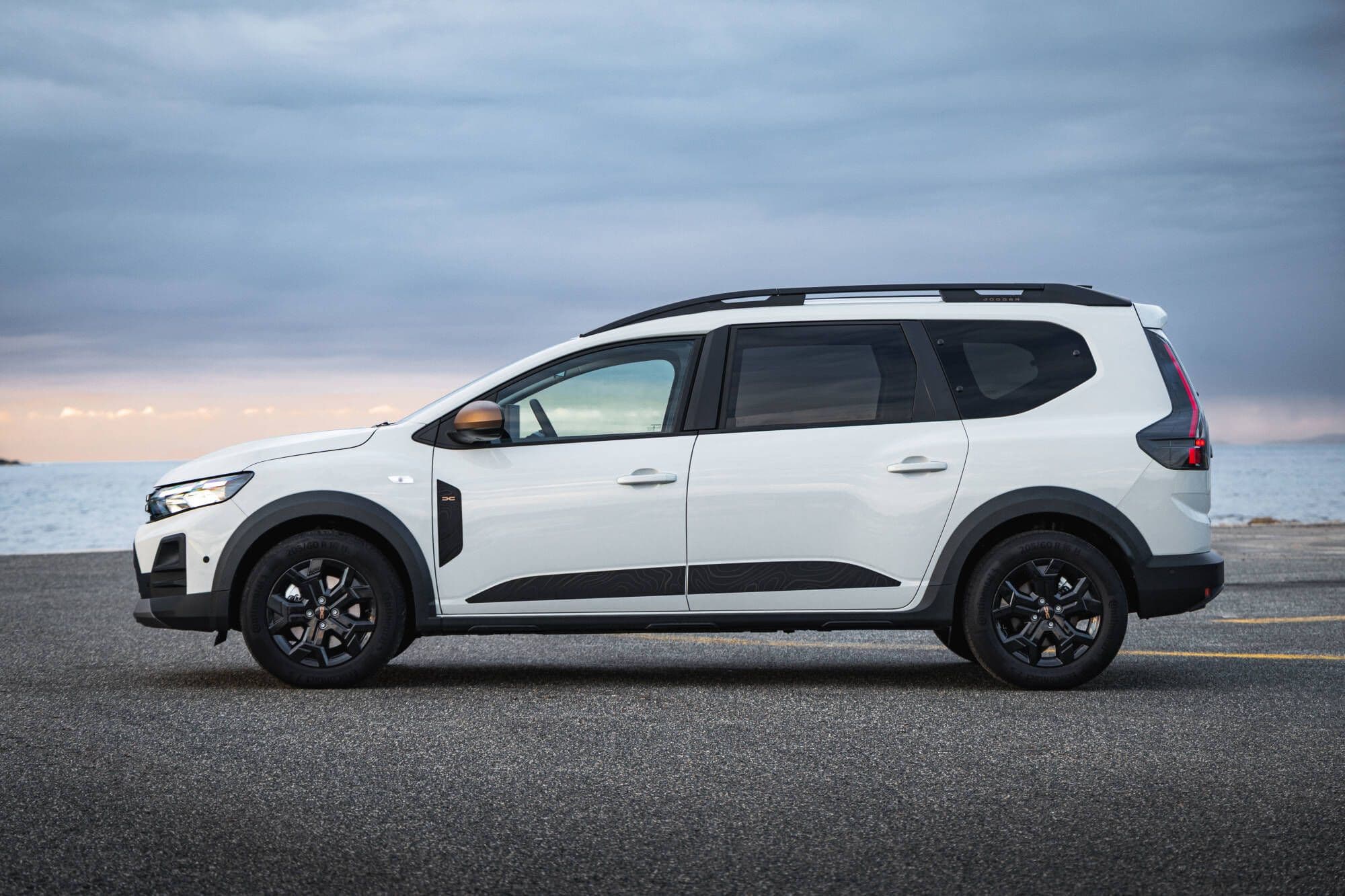
Dacia Jogger
Interior: Familiar Renault Parts and the Unchanging "Hard Plastic" Reality
Dacia Jogger
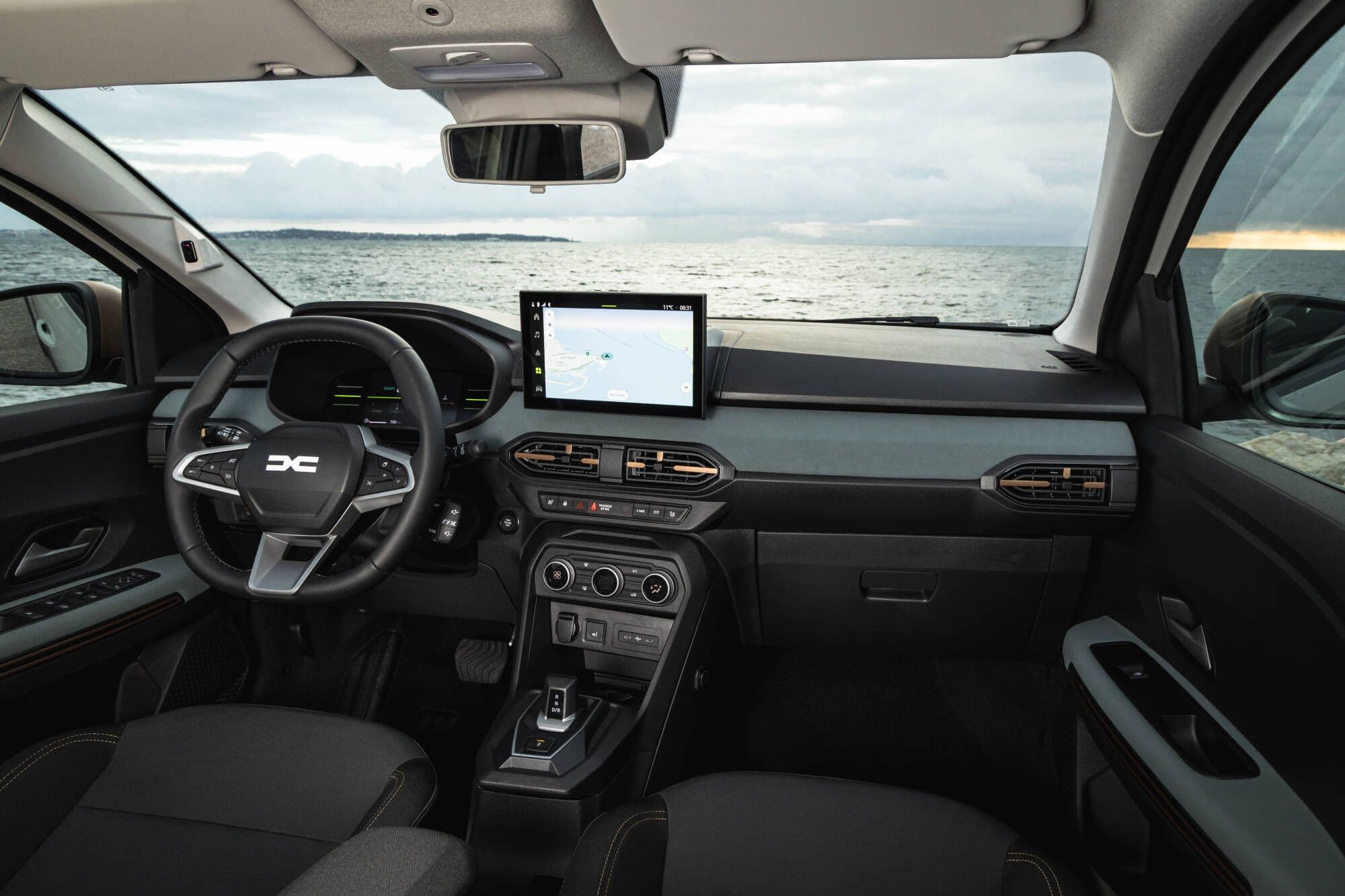
After taking in that imposing, elongated exterior profile, the moment you sit in the driver's seat, you immediately see where Dacia managed to cut costs. Let’s be frank: if you are looking for soft-touch, premium-feeling plastics on the dashboard, you are in the wrong car. The brand's well-known tradition continues in the Jogger; the front console and door panels consist entirely of hard plastics. Even though the textures and shapes are a massive leap forward from the Dacias of a decade ago, you still sense that "budget-friendly" reality when you tap on the panels.
In front of the driver, you are greeted by a digital instrument cluster familiar from the Renault group (reminiscent of the Clio and Captur), adapted to Dacia with a minimalist interface. The seats might not offer premium bolstering or luxurious materials, but they provide a highly practical detail rarely seen in the automotive world: the fabrics can be easily removed and washed. Especially for families with kids or those returning from a muddy hiking trip, this "utilitarian over luxury" approach is actually a huge advantage.
Technology and Equipment: What's Standard, What's Missing?
Dacia Jogger
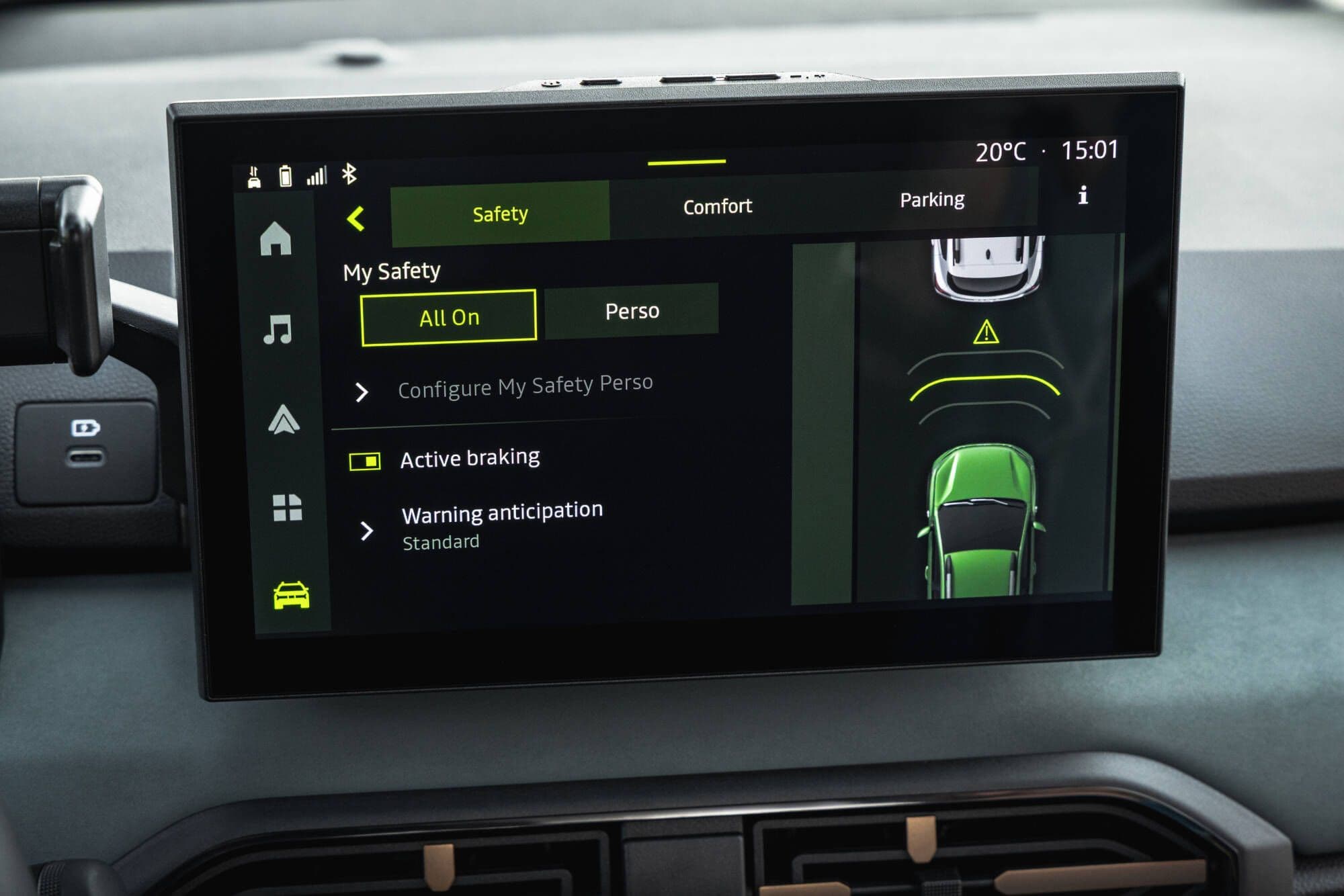
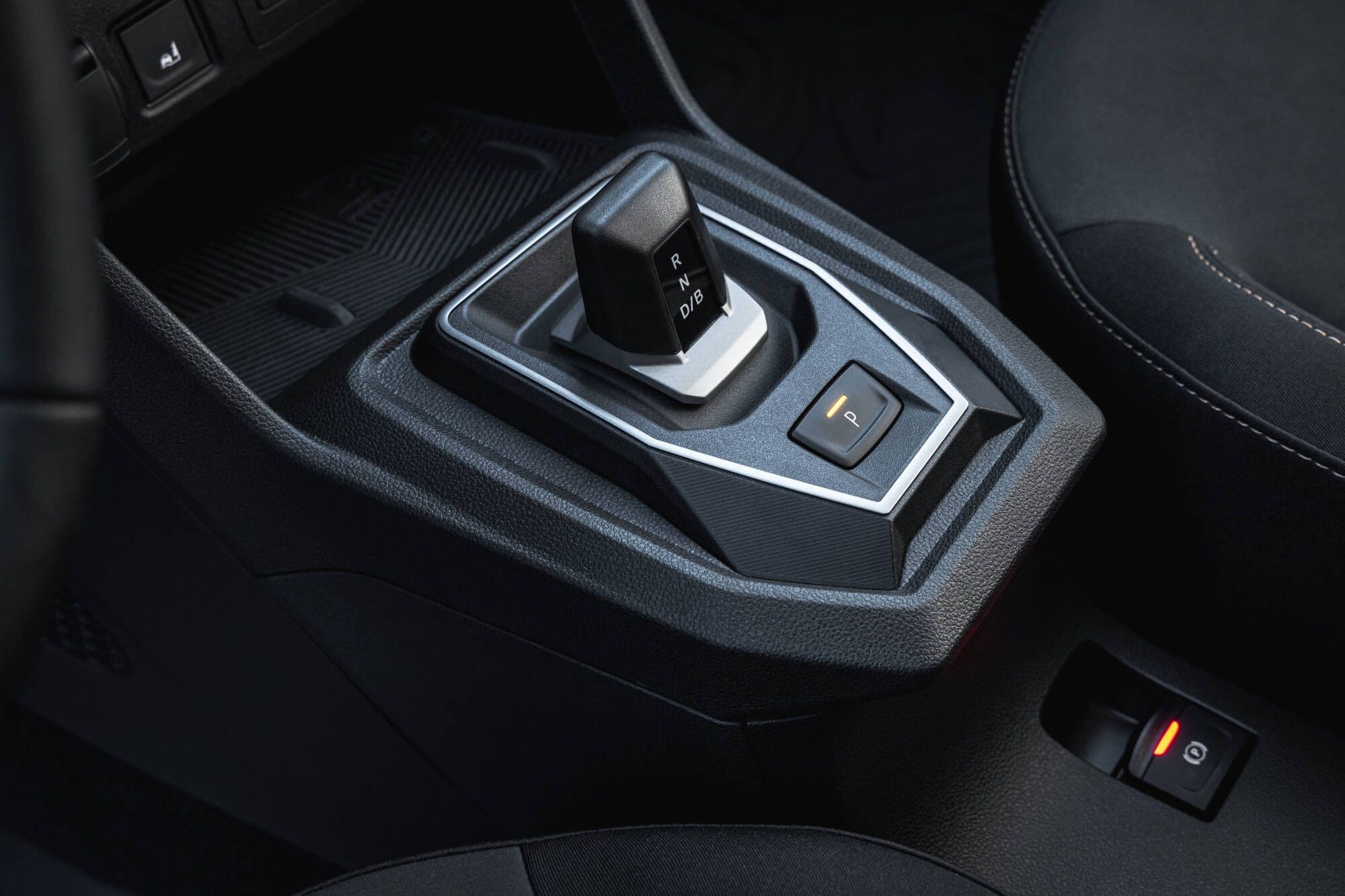
On the technology front, highly useful equipment pulled directly from Renault's parts bin saves the day. The famous "hands-free key card" system operates flawlessly in the Jogger. When you approach the vehicle, the doors unlock automatically, and when you walk away, they lock themselves. Additionally, the electronic parking brake frees up a significant amount of space on the center console.
When you step up to the Extreme trim, there is a striking button right next to the USB ports: Extended Grip. Although the Jogger is strictly front-wheel-drive, activating this system alters the Electronic Stability Program (ESP) to optimize front-wheel traction on loose surfaces like mud, sand, or snow. However, it is slightly annoying that crucial visibility aids like the multi-view camera and blind-spot monitoring are often pushed to the options list, considering maneuvering a 4.55-meter vehicle in tight European city centers can be challenging.
7-Seat Modularity and Cargo Volume: A True Transformer
Dacia Jogger
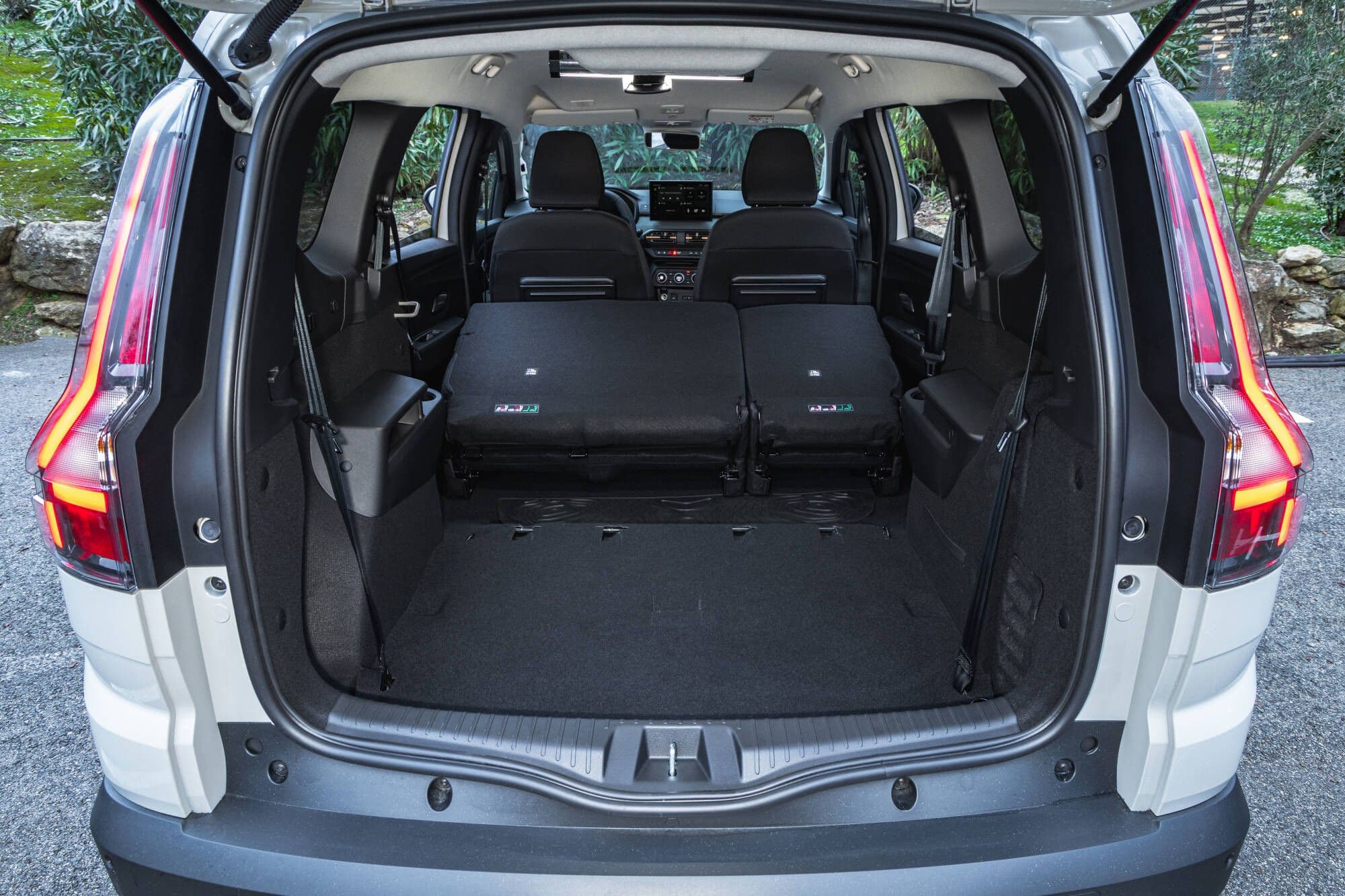
The real showstopper is undoubtedly the rear cabin. Keep your expectations grounded when all 7 seats are in use; you are left with just 160 liters of trunk space, barely enough for a few backpacks or a light grocery run.
However, the third-row seats utilize a completely mechanical, yet cleverly designed "red string" system that makes modularity a breeze:
- Pull the red strings from the trunk area, and the seatbacks fold flat.
- Pull the long red straps at the bottom to release the floor lock, allowing you to tumble the seat forward.
- If you want to remove the seats entirely, just pull the red latches at the base.
Each third-row seat weighs only about 10 kg. Leave them in your garage, and you instantly get a spacious 5-seater with a massive 607-liter trunk. Fold the second row down, and the Jogger transforms into a fully-fledged cargo van offering up to 1,819 liters of space.
Under the Hood: The Hybrid Era and the LPG Champion
Dacia Jogger
Looking at the European engine lineup, Dacia has created a highly rational list perfectly suited to the continent's diverse driving needs and strict emissions regulations.
The Star of Europe: Hybrid 140 This is the powertrain that truly elevates the Jogger. Dacia has borrowed Renault’s brilliant self-charging hybrid system, combining a 1.6-liter naturally aspirated four-cylinder engine with two electric motors and a clutchless multi-mode automatic gearbox (dogbox). Producing 140 horsepower, it is the most powerful Jogger available. Thanks to its 1.2 kWh battery, Dacia claims you can drive up to 80% of your urban journeys in full-electric mode. It is incredibly smooth in city traffic, drastically reduces fuel consumption, and finally gives European buyers a proper, refined automatic option.
The Mileage Champion: 1.0 Eco-G 100 (LPG) LPG remains incredibly popular in countries like Italy, France, and Spain, and Dacia dominates this niche. The bi-fuel Eco-G engine runs on both gasoline and LPG. Because the LPG tank is cleverly hidden in the spare wheel well, you lose zero trunk space. When both the 50-liter petrol tank and the 40-liter LPG tank are full, the Jogger boasts a combined range of over 1,000 kilometers. It’s the ultimate road-trip engine for the budget-conscious.
The Entry Level: 1.0 TCe 110 For those who just want a traditional gasoline engine, the 1.0-liter turbocharged 3-cylinder offers 110 HP and 200 Nm of torque. Paired exclusively with a 6-speed manual, it is peppy when empty but requires frequent gear changes when tackling steep inclines with a fully loaded cabin.
European Pricing Strategy: Still a Bargain?
While prices vary across different European countries due to local taxes, the Jogger's pricing structure generally starts around the €18,000 to €19,000 mark for the base Essential trims.
However, if you want the highly sought-after 7-seat configuration and the flagship Hybrid 140 engine in the top-tier Extreme trim, prices easily climb into the €26,000 to €27,000 range. While that is a significant amount of money and shatters the old "dirt-cheap Dacia" illusion, try finding another brand new 7-seater, full-hybrid estate/SUV with this much space for under €30k. It simply doesn't exist. The Jogger wins by default.
(For the most accurate pricing and configurator options, you can direct your readers to the Dacia Europe Portal.)
Safety: The Euro NCAP Reality
We cannot discuss the Jogger without addressing the elephant in the room: its 1-star Euro NCAP safety rating. While this score sounds alarming, context is crucial. The Jogger's chassis is structurally sound (it shares the CMF-B platform with the Clio and Sandero). The abysmal score is largely due to Euro NCAP’s heavy emphasis on active Advanced Driver Assistance Systems (ADAS).
The Jogger lacks complex, radar-based active safety tech like advanced lane-keeping assist and sophisticated autonomous emergency braking for cyclists/pedestrians at high speeds. Dacia's philosophy is to not force buyers to pay for expensive sensors they might not want. So, while it won't actively intervene to save you from every modern hazard, the passive safety (airbags, crash structure) is adequate for its price point. Link
Comments (0)
🌍 Drivisual.tv is visited from over 60 countries. No matter what language you write in, your thoughts can help a fellow car enthusiast on the other side of the world thanks to our instant AI translation. Feel free to share your thoughts in your native language!
No comments yet. Be the first to share your thoughts!
Leave a Reply