
Renault 1.3 TCe Engine Problems [4 Real Faults & Fixes]

Renault 1.3 TCe Engine Problems: Reliability, Faults, and Solutions
The Renault 1.3 TCe is currently one of the most common engine options in the UK and European markets. Jointly developed by the Renault-Nissan-Mitsubishi Alliance and Mercedes-Benz (known as the 1.3 DIG-T for Nissan and M282 for Mercedes), this unit powers dozens of different models, from the Megane and Austral to the Duster and Qashqai.
While it is mechanically a very reliable and successful engine, it has documented chronic weak points that emerge over time. If you are considering buying a used 1.3 TCe or want to keep your current vehicle running smoothly, we have compiled the most common 1.3 TCe engine problems, their symptoms, and permanent solutions to help you avoid heavy repair costs.
1. Coolant Leaks and Thermostat Housing
The biggest weak link under the bonnet of the 1.3 TCe is the cooling system. Because the thermostat housing is made of plastic, it undergoes severe heat cycles, especially when driving at high speeds or pushing the engine's performance.
- Symptoms: A sweet smell of coolant when you open the bonnet, visible pink or yellow fluid marks on the engine block, or a sudden spike in the temperature gauge.
- Solution: Even if you do not see any puddles on the ground, if you notice the fluid level in the expansion tank constantly dropping, have the thermostat housing and water pump seals checked immediately. Replacing the plastic thermostat housing before it completely cracks is a vital preventative maintenance step. (You can read our dedicated, detailed guide on this specific issue here).
2. Premature Water Pump Failure (Leaks and Bearing Noise)
Another vulnerable point in the 1.3 TCe engine's cooling system is the water pump. Similar to the thermostat housing, water pump failures typically begin to appear between 30,000 and 50,000 miles (50,000 - 80,000 km).
This component is responsible for continuously circulating coolant through the block and is driven by the auxiliary belt (V-belt). Premature wear of the internal bearings in the water pump is a common occurrence in this engine.
- Symptoms:
- Whining Noise from Under the Bonnet: When the bearings wear out, a constant metallic scraping, bearing whine, or grinding noise can be heard from the right side of the running engine (the belt area). The frequency of this noise increases with engine RPM as you accelerate.
- Hidden Coolant Leaks: Over time, a failing bearing will tear the internal seal of the pump. As a result, coolant slowly begins to leak from the water pump housing. If you open the bonnet and see dried pink or yellow fluid under the belt area, the water pump is the likely culprit.
- Solution: This is absolutely not a cosmetic flaw you can ignore. If the failing bearing seizes or the pump suddenly gives way, the engine will overheat in seconds. If you hear an abnormal grinding noise from the belt area, take the vehicle to a garage without delay. The auxiliary belt is removed to check the water pump pulley by hand. If there is play or resistance when turning, the water pump must be replaced with an original (OEM) part. Specialists also recommend replacing the auxiliary belt during this procedure.(You can read our dedicated, detailed guide on this specific issue here).
3. Rocker Cover Oil Leak (Misting)
Aside from cooling system issues, one of the most common situations encountered in 1.3 TCe engines is oil leakage from the upper rocker cover. Interestingly, this sealing weakness can frequently appear even on new vehicles with as little as 12,000 miles (19,000 km).
- Symptoms: When you open the bonnet, distinct oil wetness and darkened oil residue are visible at the very top of the engine (just below the level of the injectors and ignition coils). This leak is rarely severe enough to drip onto the ground or dangerously lower the oil level in the sump. Many users and some mechanics tend to dismiss it, saying "it causes no harm, it's just misting."
- Solution: Despite claims that it "causes no harm," an oil leak is not acceptable in a modern, high-temperature direct-injection engine. If your vehicle is under warranty, main dealers will perform this repair for free. However, for vehicles out of warranty, main dealers can quote around £350 to £500 for this repair. The permanent solution requires removing the cover, cleaning the mating surfaces, and renewing the sealant. (You can read our dedicated, detailed guide on this specific issue here).
4. Stuttering and Hesitation Under Acceleration (Injector Problem)
One of the issues encountered in 1.3 TCe engines after warming up is a stuttering problem during mid-range acceleration. Since this is a direct-injection (GDI) engine, carbon buildup and blockages can occur at the injector tips over time, depending on fuel quality and driving conditions.
- Symptoms: No issues are felt when the engine is cold or idling. However, once the engine reaches operating temperature and you press the accelerator (especially when driving uphill or overtaking), a momentary stutter, hesitation, or misfire is felt.
- Solution: These symptoms are often confused with an ignition system (spark plug, coil) or EDC gearbox clutch failure, leading to incorrect parts replacement. For a proper diagnosis, the vehicle must be taken for a test drive, and the injector spray values under load must be read via diagnostic equipment. In most cases, the issue is resolved by removing the injectors and having them professionally cleaned with an ultrasonic machine.(You can read our dedicated, detailed guide on this specific issue here).
Verdict: Is the Renault 1.3 TCe / Nissan 1.3 DIG-T Reliable?
Compared to the older 1.2 TCe engines, which suffered from chronic oil burning and timing chain failures, the 1.3 TCe is built upon a much more robust mechanical foundation. However, this does not mean it is completely flawless.
The primary weak points of this engine are the cooling system components and the rocker cover sealing. If you wait for the engine to reach full operating temperature before pushing it, regularly check the coolant level against thermostat and water pump risks, and monitor for potential oil leaks at the top of the engine, the 1.3 TCe will serve you trouble-free for many years. In short, if you are aware of these characteristics under the bonnet and do not neglect their monitoring, it is a dynamic engine you can rely on.
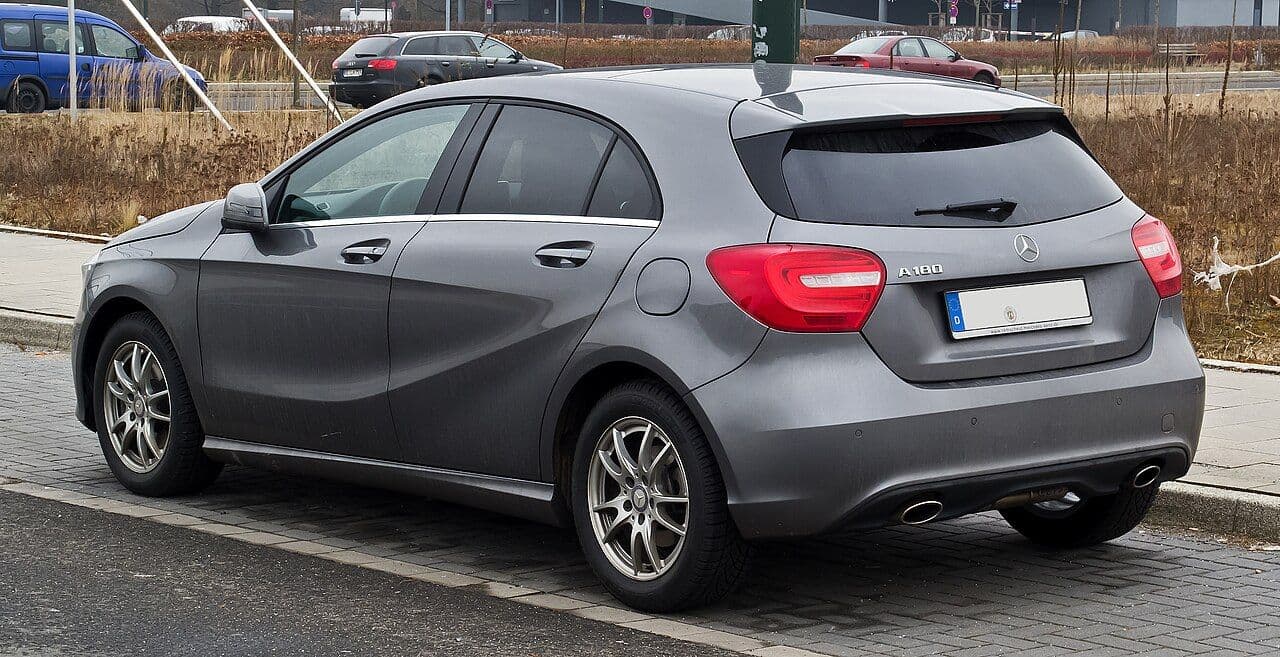
The premium Mercedes-Benz A180 and A200 models utilize the M282 engine, proving the 1.3-liter platform's capability and refinement.

In the Nissan lineup, including the popular Juke and Qashqai, this joint-venture 1.3-liter turbocharged engine is officially branded as the DIG-T.
Comments (5)
🌍 Drivisual.tv is visited from over 60 countries. No matter what language you write in, your thoughts can help a fellow car enthusiast on the other side of the world thanks to our instant AI translation. Feel free to share your thoughts in your native language!
Megane4
veliustaoto
arda
Abdulhadi
Berliner
Leave a Reply