
LFP Battery Explained: Pros, Cons & Ultimate EV Charging Guide

What is an LFP Battery? Pros, Cons, and the Ultimate EV Charging Guide
Over the past few years, whenever the conversation turns to electric vehicles (EVs), there is one acronym that constantly pops up: LFP. This cell chemistry has completely rewritten the rules of the EV game, bursting onto the scene via Tesla’s rear-wheel drive (RWD) Standard Range models and quickly becoming the structural backbone for giants like BYD and MG.
So, what exactly is LFP? It stands for Lithium Iron Phosphate ($LiFePO_4$). The absolute best thing about this battery is that it completely ditches cobalt—a volatile, expensive element that is notoriously difficult to source and highly prone to overheating. Instead, it relies on iron and phosphate, two abundant, cheap, and incredibly stable materials.
Let's skip the chemistry lecture and dive straight into how this translates to the asphalt, how it stacks up against its premium rivals, and why some gearheads refuse to drive anything else.
LFP’s Biggest Rivals: NMC and NCA
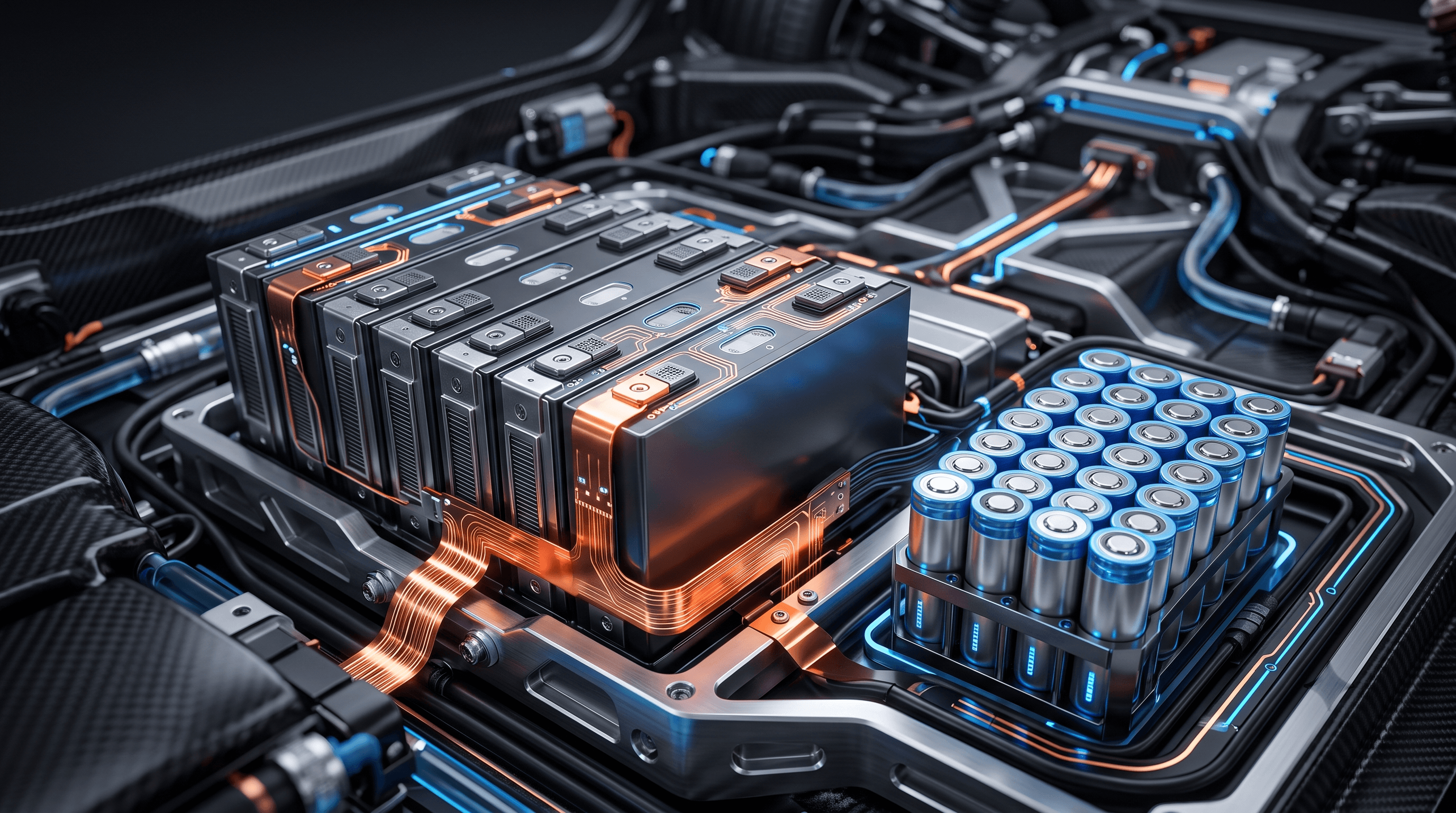
Modern battery chemistries like LFP and NMC are the most critical components directly dictating both the range and charging characteristics of electric vehicles.
To understand LFP, you first need to look at the "premium" chemistries dominating the market: NMC (Nickel Manganese Cobalt) and NCA (Nickel Cobalt Aluminium).
Typically found in Tesla’s Long Range and Performance specs, or high-end European EVs, these batteries are absolute performance monsters. Hit the accelerator, and they will rocket the car forward instantly. However, when it comes to their charging routine, they are a bit "high-maintenance." They absolutely hate high-voltage stress. LFP, on the other hand, is built like an industrial workhorse—made to be worked hard and put away wet without complaining.
The table below summarizes how these three hardware options perform in the real world and outlines their daily charging limits:
| Make & Model | Trim / Version | Technical Notes (What You Should Know) |
|---|---|---|
| Tesla Model Y & Model 3 | Rear-Wheel Drive (RWD) / Standard Range | Long Range versions use NMC batteries, while RWD models are equipped with LFP packs. Charging to 100% about once a week is recommended. |
| BYD (Atto 3, Seal, Dolphin) | All Versions (Blade Battery) | Uses BYD's proprietary Cell-to-Pack (CTP) Blade Battery technology, widely regarded as one of the safest and most thermally stable LFP battery designs available. |
| Togg T10X | V1 Standard Range (52.4 kWh) | Long Range T10X models use NMC batteries, while the entry-level Standard Range version is equipped with an LFP battery pack. |
| MG4 Electric | Standard Range (51 kWh) | Designed primarily for urban driving. Long Range (Luxury) and dual-motor XPOWER variants switch to NMC battery cells. |
| Ford Mustang Mach-E | Standard Range (2023 and Later) | Starting with the 2023 model year, Ford adopted LFP batteries for entry-level Mach-E models to reduce costs while improving long-term durability. |
The Pros of LFP: Why Everyone Loves It
- It Outlasts the Chassis: An LFP battery easily handles 3,000 to 5,000 full charge cycles. In plain English, even if you charge the car from 0% to 100% every single day, that pack has the structural longevity to clear over a million miles on the odometer. As we discussed in our recent Tesla battery degradation and range loss analysis, LFP cells experience a minor capacity drop in the first year before flattening out into a long, rock-solid plateau. The body panels might rust, and the suspension bushings will rot, but that battery package is not going anywhere.
- 100% Charging Freedom: It completely eliminates daily range anxiety and battery babysitting. There is no need to stress about stopping the charge at 80% to protect the cells like you have to with NMC. In fact, manufacturers like Tesla explicitly state that you should charge these to 100% at least once a week to keep the BMS (Battery Management System) properly calibrated. Plug it in overnight, wake up to a full 100%, and just drive.
- Incredibly Safe (Thermal Stability): If the worst happens and you puncture the battery pack in a hard collision, LFP cells are shockingly resistant to catching fire. According to data published by Battery University on Lithium-ion battery types and safety , LFP’s thermal runaway threshold sits at a massive 270°C (518°F). Simply put, these cells are extremely difficult to ignite.
The Cons: What We Leave on the Table

Due to their chemical composition, LFP batteries require more aggressive preconditioning and driving optimization in cold weather compared to NMC packs.
No mechanical or chemical design is perfect. If LFP is this durable, why isn't it under the floorboards of a Tesla Model 3 Performance or a Porsche Taycan?
- Heavyweight Division: LFP has a significantly lower energy density than NMC. If you want to achieve the same total range, you have to pack more cells into the car. More cells mean more weight. In the automotive world, weight is the mortal enemy of acceleration, handling, and overall efficiency.
- Cold Weather Cranks the Internal Resistance: When winter temperatures drop below freezing, LFP cells throw a bit of a fit. The internal resistance spikes, causing two major headaches: your driving range drops more aggressively than it would in an NMC car, and your charging speeds at a Supercharger will crawl until the pack warms up. This is exactly why cabin heating loops and software optimization are so critical Tesla Model Y range reduction after OTA update . Research by EV data analytics firm Recurrent on LFP winter performance proves that using the "Battery Preconditioning" feature before charging is absolutely non-negotiable when winter hits an LFP-powered car.
Are LFP Batteries Easier to Repair?
This comes down to structural packaging rather than cell chemistry.
Older EV batteries were organized into separate, bolted-down modules. If a module went bad, a technician could drop the pack, unscrew that specific section, and replace it. However, because LFP cells have a lower energy density, manufacturers save space by using CTP (Cell-to-Pack) architecture. BYD’s famous Blade battery and Tesla’s structural packs are prime examples. The cells are glued and bonded directly into a single, massive, monolithic block.
This layout makes replacing or servicing a single bad cell nearly impossible. If a component fails under the shell, service centers will almost always opt to swap out the entire battery pack rather than attempt a teardown. Sound terrifying? Don't stress. Because they don't contain expensive elements like cobalt, remanufactured LFP replacement packs are significantly cheaper than NMC options. Combined with their stellar reliability record, the chances of encountering a hardware defect are slim to begin with.
The bottom line is simple: if you aren't trying to win drag races at every stoplight and you want a reliable road companion that will run for a decade without needing to be coddled, LFP is the most logical powertrain choice on the market today. Plug it in, top it to 100%, and hit the gas.
Comments (0)
🌍 Drivisual.tv is visited from over 60 countries. No matter what language you write in, your thoughts can help a fellow car enthusiast on the other side of the world thanks to our instant AI translation. Feel free to share your thoughts in your native language!
No comments yet. Be the first to share your thoughts!
Leave a Reply