
New BMW i3 Series: Design Controversies, Technology and Real User Experience

The steps taken by established brands in the electric vehicle world are always closely followed. One of the leading names, BMW, has been shaping electric mobility with its i series, particularly with the i3, which once introduced an unconventional approach. However, when we talk about the “new BMW i3,” we are no longer referring to a single model, but rather two different approaches representing different eras and strategies. This shift brings various discussions regarding design language, technical infrastructure, and brand identity.
The i3 Name: From an Iconic Model to a Strategic Transformation
Introduced in 2013, the BMW i3 was a turning point in the EV world with its carbon fiber body, compact structure, and futuristic design. In the new generation, however, the “i3” name is being used for a more conventional sedan model.
This change divides users into two groups:
- Those who appreciated the original i3’s innovative and unique character
- Those expecting a more traditional sedan-style electric BMW
The positioning of the new i3 closer to the BMW 3 Series also clearly reflects this transformation.
Design: A New Identity with Neue Klasse
To understand the design of the new BMW i3, the key reference point is the BMW Vision Neue Klasse. This concept represents the future design language of BMW’s electric lineup, and the i3 is seen as one of its closest production interpretations.
Front Design: Evolution of the Kidney Grille
BMW’s iconic kidney grille undergoes a significant transformation:
- Thinner and more horizontal form
- A unified structure stretching across the front
- Illuminated frame
- Integration with LED headlights
Compared to the oversized and aggressive grille designs criticized in models like the BMW i4 and BMW iX, this approach appears cleaner and more modern. Still, some users continue to question the necessity of such a design element in an electric vehicle.
Body Design: Simplicity Meets Aerodynamics
The body design of the new i3 strikes a balance between aesthetics and efficiency:
- Sharp yet restrained character lines
- Flush door handles
- Clean surface transitions
- A simplified form supporting aerodynamic efficiency
This design is not only visual but also plays a crucial role in range optimization and energy efficiency.
BMW’s design heritage is still present. The Hofmeister kink is retained, while the rear features slim and wide LED taillights, ensuring the car remains recognizable as a BMW despite the transformation.
From Old to New: A Shift in Character
The original i3 stood out with:
- A tall, compact structure
- A minimalist and sustainable interior
- A city-focused driving philosophy
The new model abandons these traits in favor of a more traditional sedan approach. As a result, many users perceive the new i3 as essentially an “electric 3 Series.”
Overall Design Perception
The new design language receives mixed reactions:
- Some find it modern and refined
- Others consider it too generic
- Some argue it does not emphasize its electric identity enough
This reflects BMW’s attempt to evolve its design in a controlled yet noticeable way.
Interior and Digital Experience
Inside the cabin, BMW adopts a minimalist and digital-first approach:
- Large “floating” central display
- Reduced physical buttons
- Spacious and airy cockpit feel
The steering wheel design, similar to the one in the BMW iX3, signals a clear direction for BMW’s next-generation interiors.
While this approach appeals to tech-oriented users, it may require an adjustment period for traditional users who prefer physical controls.
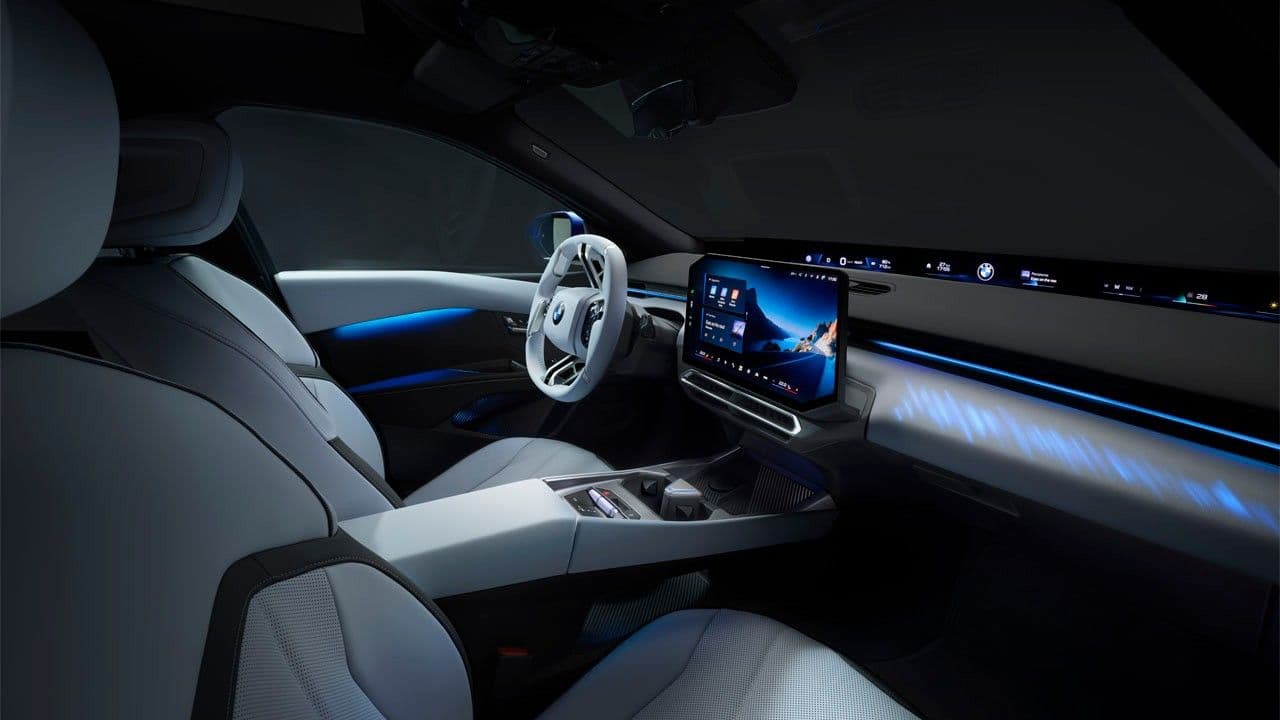
BMW i3 - Neue Klasse Model
Technical Foundation: A New Era with Neue Klasse
The new i3 is built on BMW’s Neue Klasse platform, which is set to underpin the brand’s next generation of electric vehicles.
What the Platform Brings
- Higher energy efficiency
- Lighter and optimized structure
- Next-generation battery technologies
- Advanced software and hardware integration
This platform represents BMW’s shift from adapting existing models to creating fully dedicated electric vehicles.
800-Volt Architecture and Charging Technology
The new i3 is expected to feature an 800-volt electrical architecture, offering a significant competitive edge.
Key advantages include:
- Faster charging times
- Reduced energy loss
- Greater stability under high performance
With support for up to 400 kW fast charging, the vehicle could achieve substantial range in a short time. This positions it ahead of current infrastructure offered by competitors like the Tesla Model 3.
Range and Performance Expectations
According to leaks, the new i3 could offer a range of up to 800 km, placing it at a highly competitive level in its segment.
However, real-world performance will depend on factors such as:
- Driving style
- Weather conditions
- Road environment
In terms of performance, BMW continues to emphasize its signature driving dynamics:
- Low center of gravity
- Balanced handling
- Driver-focused experience
This ensures the i3 aims to deliver not only efficiency but also driving enjoyment.
Market Position and Strategy
BMW’s strategy with the new i3 is clear:
- Prioritizing a sedan form that appeals to a broader audience
- Encouraging existing customers to transition to electric vehicles
While this approach is particularly suitable for markets like China, expectations in Europe and similar regions may differ.
Conclusion: A Model in Transition
The new BMW i3 plays a critical role in the brand’s transition toward an electric future.
- In design: more refined, digital, and forward-looking
- In technology: more advanced, faster, and more efficient
At the same time, it can be seen as a transitional product. Rather than a radical break, BMW is pursuing a controlled evolution.
Pros:
- Strong technical foundation
- High range potential
- Preserved driving dynamics
Cons:
- Controversial design language
- Departure from the original i3’s unique character
- Electric identity not strongly emphasized
Ultimately, the new i3 represents a strategic transformation rather than a bold revolution. While this approach may ease short-term adoption, the long-term direction of BMW’s electric identity remains an open question.
Comments (0)
🌍 Drivisual.tv is visited from over 60 countries. No matter what language you write in, your thoughts can help a fellow car enthusiast on the other side of the world thanks to our instant AI translation. Feel free to share your thoughts in your native language!
No comments yet. Be the first to share your thoughts!
Leave a Reply