
The Ultimate Engine Oil Guide: What Oil For My Car?

Comprehensive Engine Oil Guide: API SP, ILSAC GF-6A, Drain Intervals, and Engine Maintenance
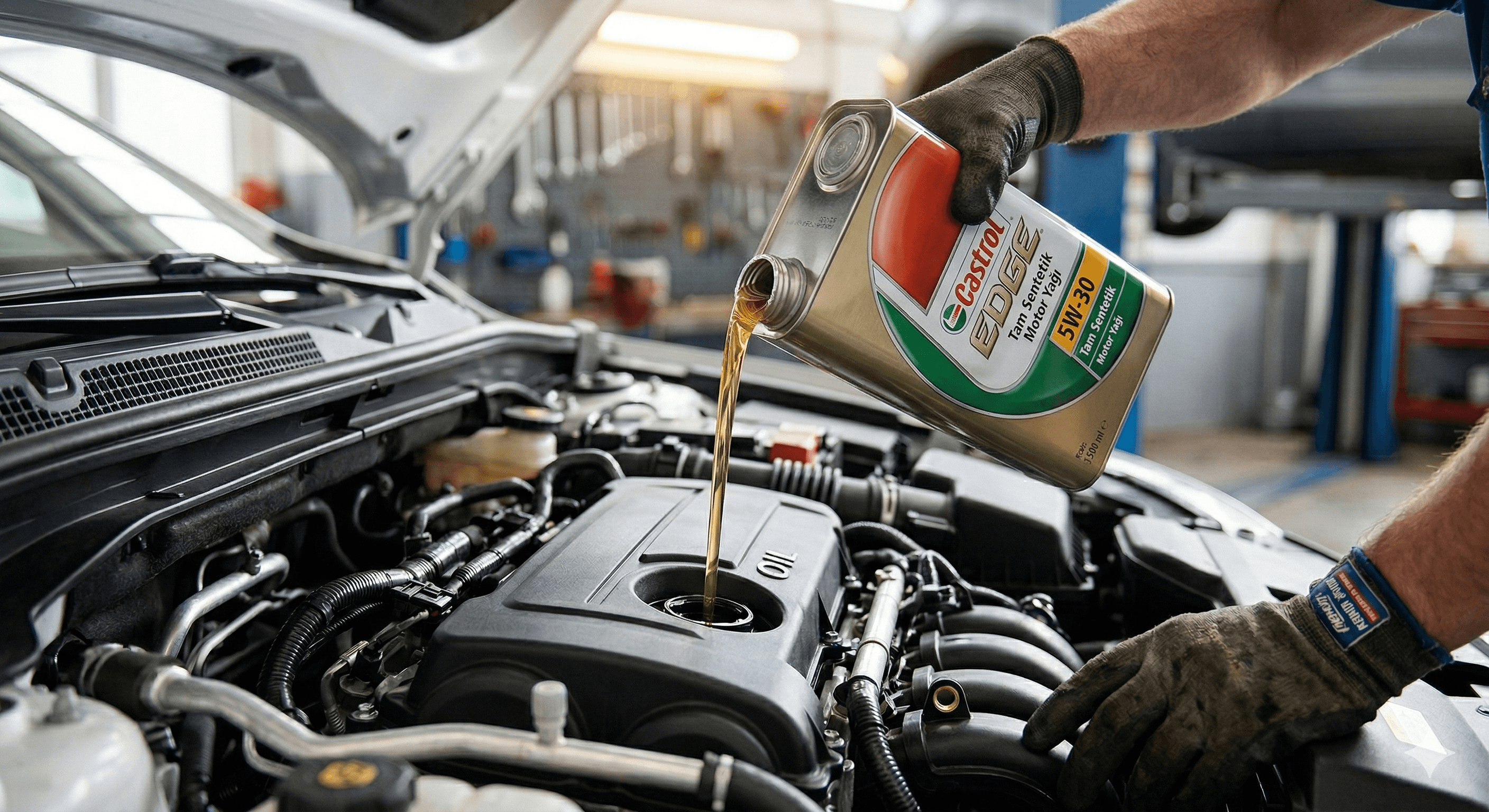
[Insert Hero Image Here: A high-quality photo of a mechanic pouring clear, golden full-synthetic motor oil into a modern engine. Alt text: adding-full-synthetic-engine-oil]
Engine oil is not just a simple fluid that reduces friction in your car; it is literally the lifeblood of your engine. In today's high-compression and turbocharged engines, the lubrication system is actually the number one culprit behind many chronic malfunctions that appear to be part-related.
So, how can you extend your engine's life without inflating your repair bills? From the perspective of a master mechanic and automotive engineer, we have compiled the most frequently asked questions into an easy-to-understand, step-by-step blog guide.
What Does Engine Oil Do and Why Is It Important?
Engine oil primarily prevents metal-to-metal contact, but its duties in modern engines go far beyond that:
- Cooling: Absorbs excessive heat inside the engine block.
- Sealing: Creates a shield between the cylinder walls and piston rings.
- Cleaning: Neutralizes acidic deposits resulting from combustion.
💡 Mechanic's Note: Using the right engine oil is not an "expense"; it is the cheapest insurance to save you from heavy engine overhaul costs in the future.
What is the purpose of engine oil?
Critical Engine Parts Operating with Oil Pressure
Engine oil is not only a lubricant but also a hydraulic power that manages moving parts inside the engine.
- Timing Chain Tensioners: The system that keeps the timing chain tight operates with oil pressure. If your oil is thick or dirty, the tensioner activates late during a cold start, which causes the chain to stretch (skip timing) over time.
- Vanos, Variator, and Valvetronic Systems: These systems, which adjust valve timing, have micro-filters that get clogged by dirty oil; their gears wear out when forced in the cold.
- Tappets and Lifters: Tappets that do not fill with oil cause an annoying, metallic "sewing machine" noise when the engine is idling.
The Big Issue on the Agenda: "PureTech" Engines
One of the most talked-about topics recently is the lubrication and timing system in 1.2 PureTech engines.
⚠️ Attention PureTech Owners: In these engines, the timing belt runs directly inside the engine oil (wet belt). Using the wrong oil specification or dirty oil that hasn't been changed for long intervals causes this belt to crumble and break prematurely. The broken belt particles fall into the oil pan, clogging the oil pump strainer, dropping the engine's oil pressure, and causing severe engine damage up to spun bearings. Therefore, it is vital to use the(https://www.media.stellantis.com/uk-en/peugeot/press/stellantis-extends-compensation-policy-for-european-consumers-claims-on-previous-generations-of-puretech-1-0-and-1-2-engines) and check the belt frequently (around 60,000 km according to expert advice).
The Era of API SP and ILSAC GF-6A in Engine Oil
New generation small-displacement and turbocharged engines forced the oil industry to develop(https://www.api.org/products-and-services/engine-oil/eolcs-categories-and-classifications/latest-oil-categories).
What Do the New Standards Offer Us?
- ILSAC GF-6A: Covers oils like 0W-20, 5W-30, focuses on fuel economy, and is backward compatible with older engines.
- ILSAC GF-6B: Only for ultra-thin 0W-16 viscosity. Designed for engines of the future and cannot be used in older vehicles.
- Timing Chain Protection (Sequence X Test): New generation oils significantly prevent soot particles from mixing into the oil and wearing out the timing chain.
LSPI (Low-Speed Pre-Ignition) Phenomenon and the "TSI Engine" Reality
If you have a turbocharged direct-injection vehicle, pay close attention to this point. Especially in small-displacement and forced-induction units like the TSI engine, which we frequently see on the roads, this plays a critical role.
- The Problem: When the engine is under load at low RPMs (for example, stepping on the gas while going uphill at a low speed), the fuel-air mixture suddenly ignites on its own before the spark plug fires (LSPI).
⚠️ Critical Danger: LSPI can break pistons and shatter the engine block. In units like the TSI engine, the cost of using the wrong or old-type (Calcium detergent) oil is very high. API SP approved new generation oils use "Magnesium", completely preventing this destructive problem.
Oil Consumption Issue in TSI Engines
💡 A Quick Reminder: Due to their operating characteristics, TSI engines tend to consume some oil under high pressure and heat. Over long intervals, some of the oil in the crankcase will naturally deplete. Checking the oil level frequently extends the life of these engines.
Oil Drain Interval: Is it 15,000 km or 10,000 km?
While some manufacturers have updated their official maintenance intervals to 10,000 km for healthier engine life, many popular brands still list 15,000 km intervals in their catalogs. However, these long intervals are based on ideal highway conditions.
The reality in the workshop is different:
- Heavy Duty Conditions: Constant stop-and-go traffic, short trips, and dusty environments degrade the oil much faster.
- Turbocharger Effect: In turbocharged vehicles, oil cools the turbine shaft spinning at hundreds of thousands of RPMs. This extreme heat ruins the oil's viscosity well before 15,000 km.
- Recommendation: To protect yourself from heavy repair bills, keeping your oil change interval around the 10,000 km mark is the safest route for engines driven in city conditions.
Should You Use an Engine Flush?
Adding an additive to the old oil before maintenance to clean the engine can be beneficial, but it carries serious risks. If you are going to do it, these rules are vital:
- Rinsing Oil is Mandatory: After draining the flush additive, chemical solvent residues remain in the narrow oil passages. These residues will ruin the structure of your new, expensive oil. Therefore, a cheap "rinsing oil" must be added, and the system should be idled for 10-30 minutes to expel the harmful chemicals.
- High Mileage Risk: If your engine has high mileage and is very dirty, large chunks of dissolved sludge can clog the oil strainer, causing the engine to spin a bearing instantly.
- Safe Alternative: If removing the oil pan seems too difficult, you can achieve a natural clean by using a high-quality, high-detergent full synthetic oil and shortening your next oil change interval to 5,000 km.
🛠️ Information Note: How is the Cleaning Power of Engine Oil Proven? The perception in the workshop that "this oil cleans well" is actually based on official international documents. The strength of the cleaning additives in the oil is physically measured in the laboratory using the TBN (Total Base Number) test. The higher the TBN value, the greater the oil's ability to neutralize acids and clean. Furthermore, whether the oil is truly full synthetic and its exact formula are transparently listed in the SDS (Safety Data Sheet) and TDS (Technical Data Sheet), which are legal requirements.
⚠️ Other Chronic Malfunctions to Watch Out For
1. Crankcase Ventilation (PCV) Failure
Especially in BMW and Mini group vehicles, if the crankcase ventilation valve fails, the intake manifold draws liquid engine oil directly into the cylinders. Your car will suddenly blow massive blue smoke and burn oil as if the engine is completely worn out.
2. Diesel Particulate Filter (DPF) and the "1.5 dCi"
In popular diesel engines like the legendary 1.5 dCi, if the DPF cleaning (regeneration) process is constantly interrupted in city traffic, the excess diesel injected into the cylinders seeps down and mixes with the engine oil (known as oil dilution).
⚠️ Diesel Mixing with Engine Oil: When the crankcase fills with diesel and oil dilution occurs, your oil thins out, its level rises, and its protective properties disappear. Taking the car on the highway occasionally and driving at a steady RPM is a great solution to heat the oil and evaporate the diesel inside. Also, DPF-compatible (Low-SAPS) oils must be used in such engines.
In Summary; You might say, "I don't need to worry about this, I just start the car and go," and that is entirely your choice. But in modern cars, the price of this neglect is massive engine overhaul bills knocking on your door much earlier than expected. Use the correct standard oil, check its documentation, keep the change intervals short, and don't risk your engine's health.
Comments (0)
🌍 Drivisual.tv is visited from over 60 countries. No matter what language you write in, your thoughts can help a fellow car enthusiast on the other side of the world thanks to our instant AI translation. Feel free to share your thoughts in your native language!
No comments yet. Be the first to share your thoughts!
Leave a Reply